
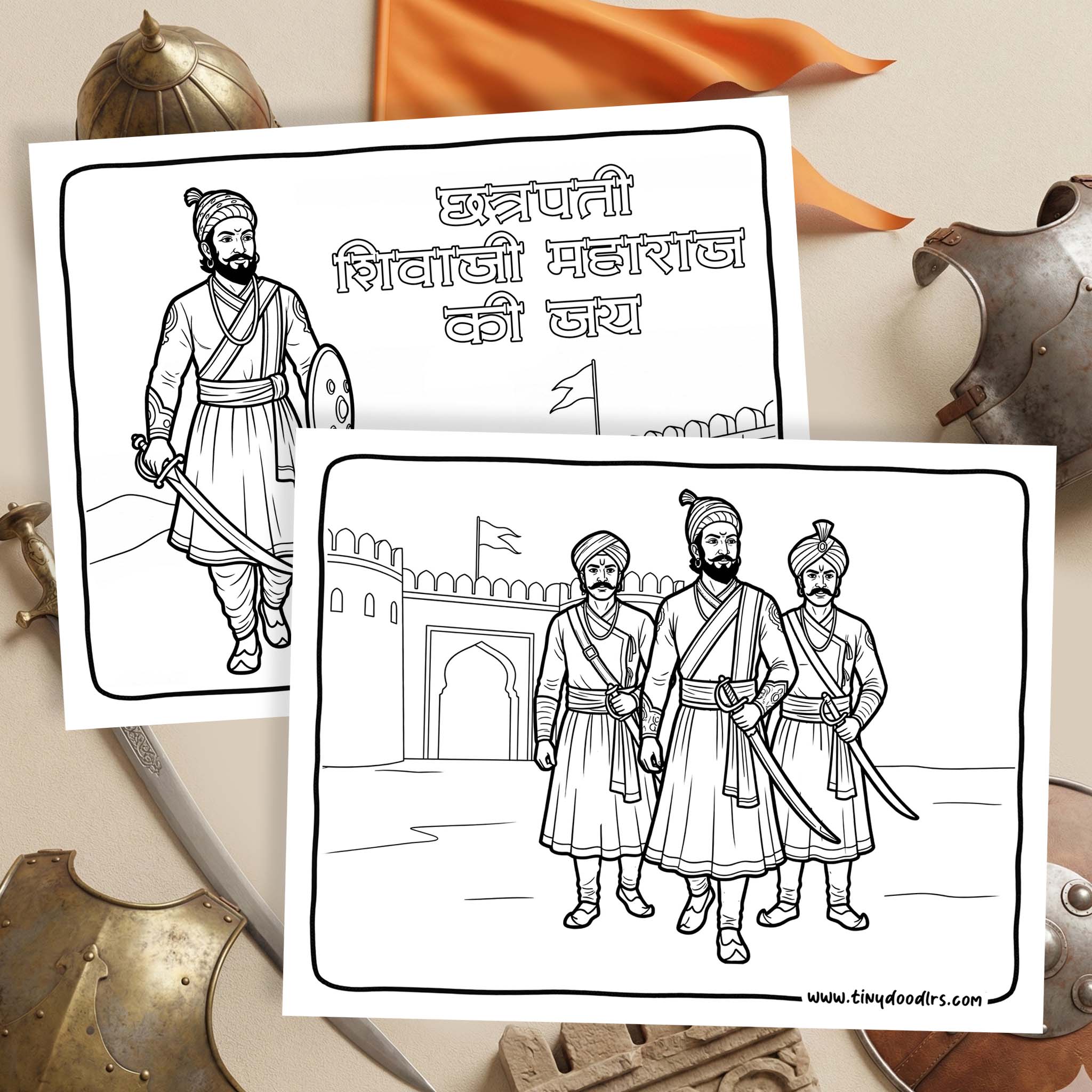
Shiv Jayanti is not just a celebration—it’s a beautiful opportunity for children to connect with Indian history through creativity. One of the most popular and meaningful ways kids express this connection is through Chhatrapati Shivaji Maharaj drawing activities.
Whether it’s for school competitions, classroom displays, or home celebrations, Chhatrapati shivaji maharaj drawing for kids helps young minds understand courage, leadership, and values in a visual and engaging way.
In this guide, parents and teachers will find 50+ beautiful, easy, and age-appropriate Chhatrapati Shivaji Maharaj drawing ideas, organized step-by-step through his life events—perfect for coloring, sketching, and storytelling.
Table of Contents
1. Birth and Early Childhood (1630)
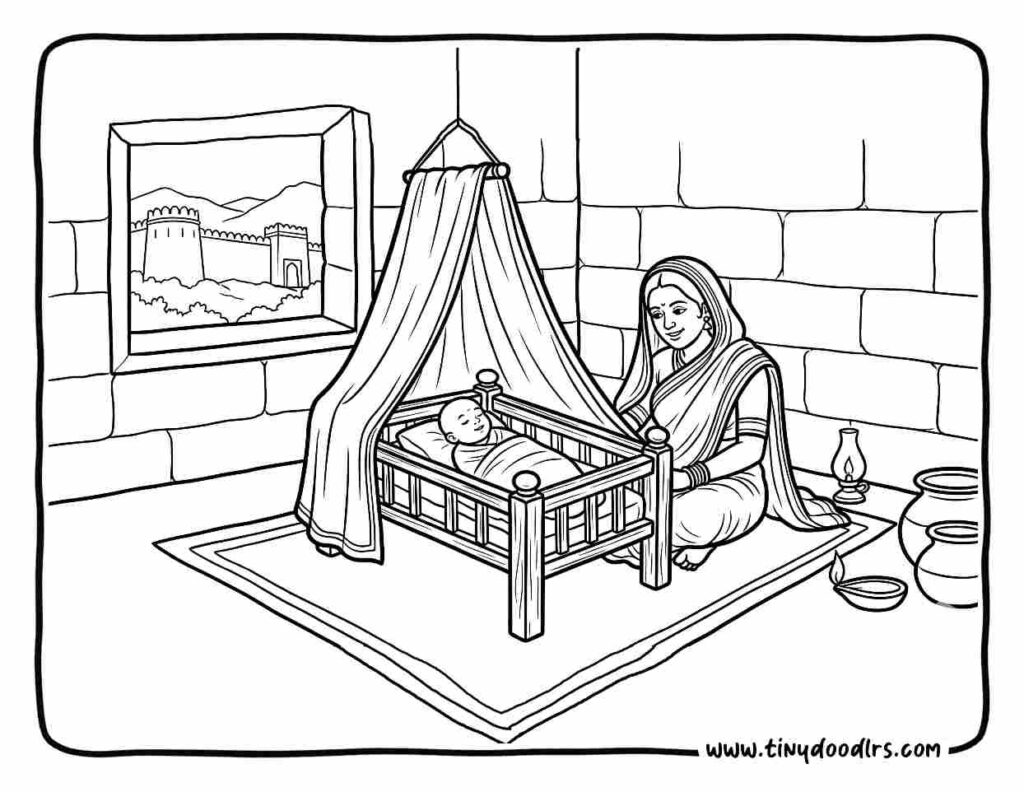
Shivaji Maharaj was born in 1630 at Shivneri Fort, in western India. Even as a child, he was curious, brave, and thoughtful. He loved listening to stories — not just tales of battles, but stories about right and wrong, truth, and protecting people.
🔹Shivaji Maharaj was not just growing up — he was preparing to lead.
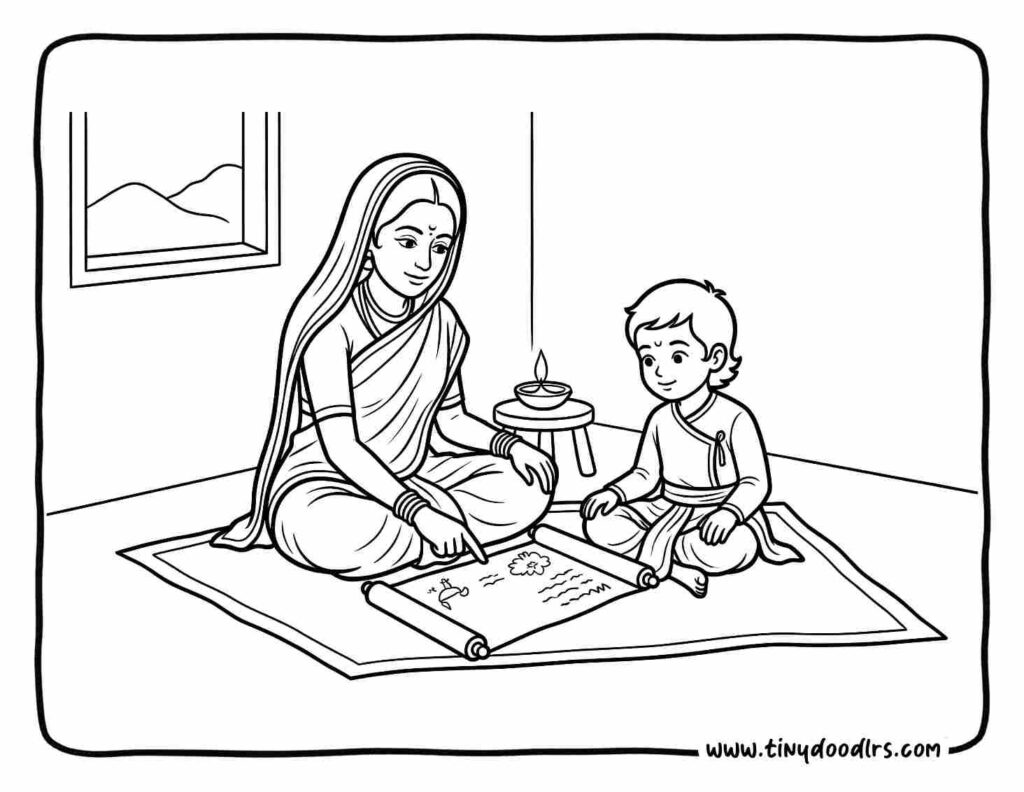
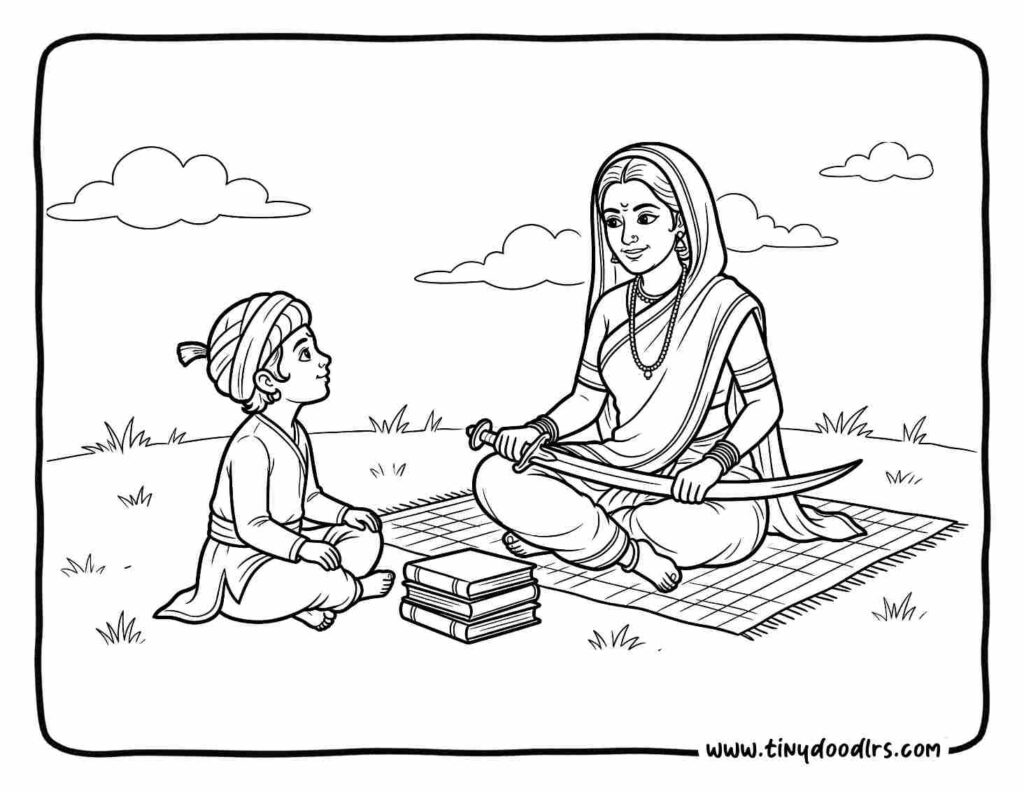
2. Jijamata’s Influence: The Foundation of Values
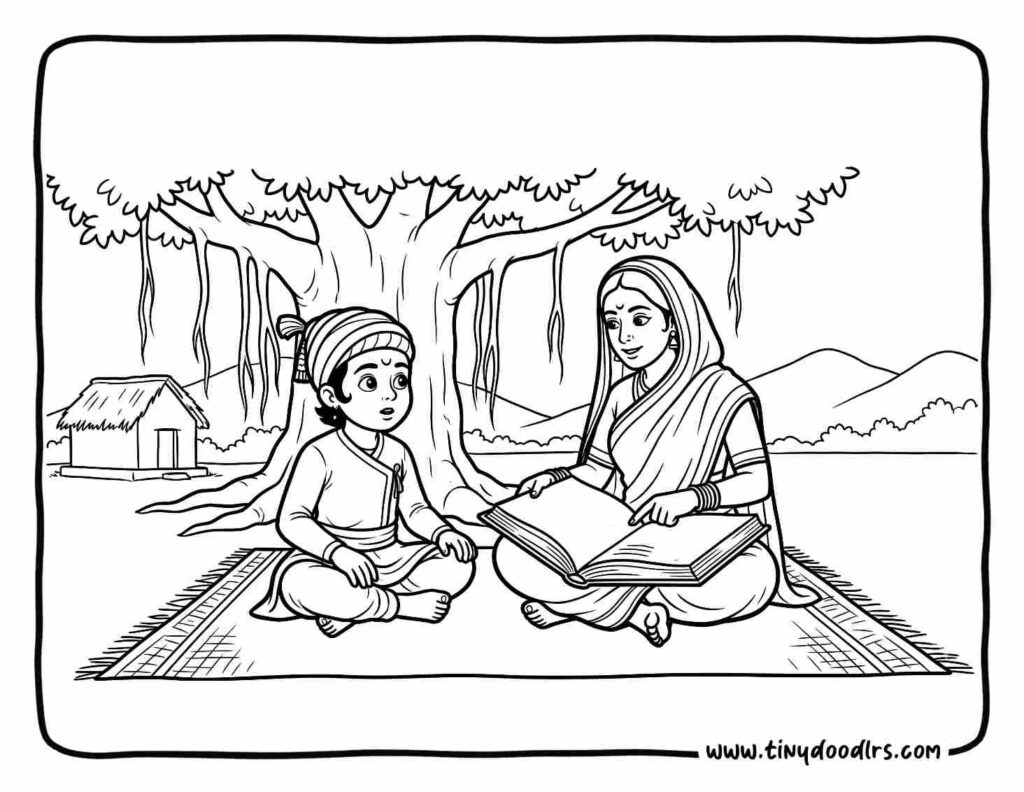
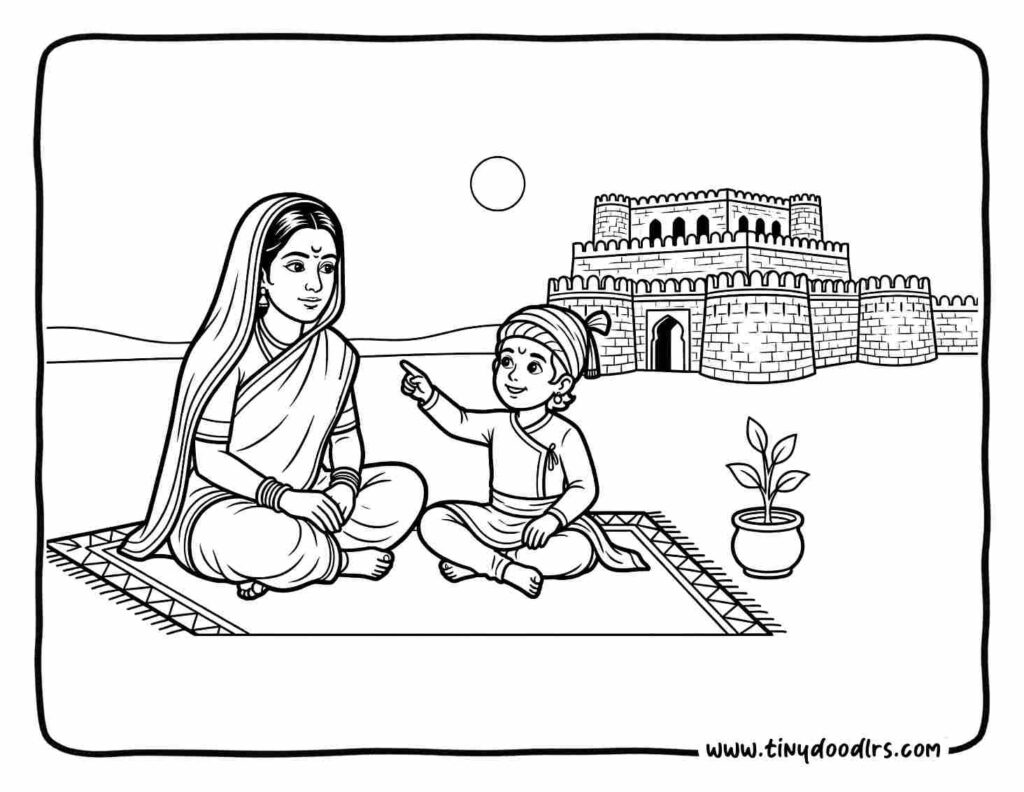
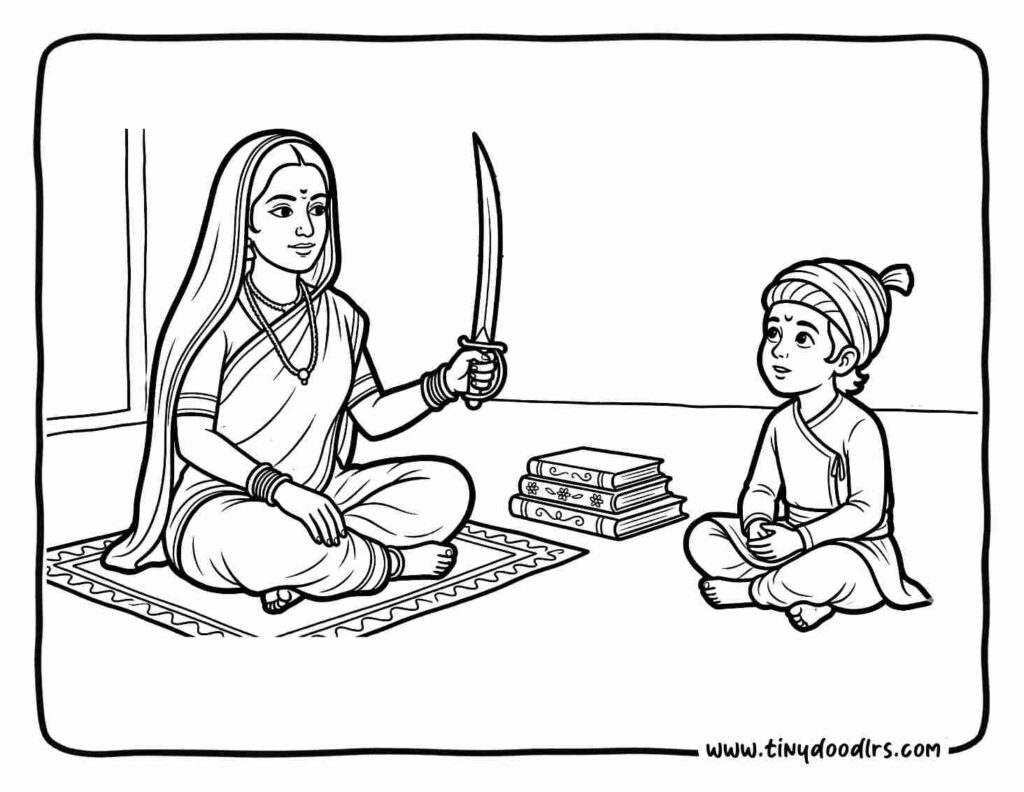
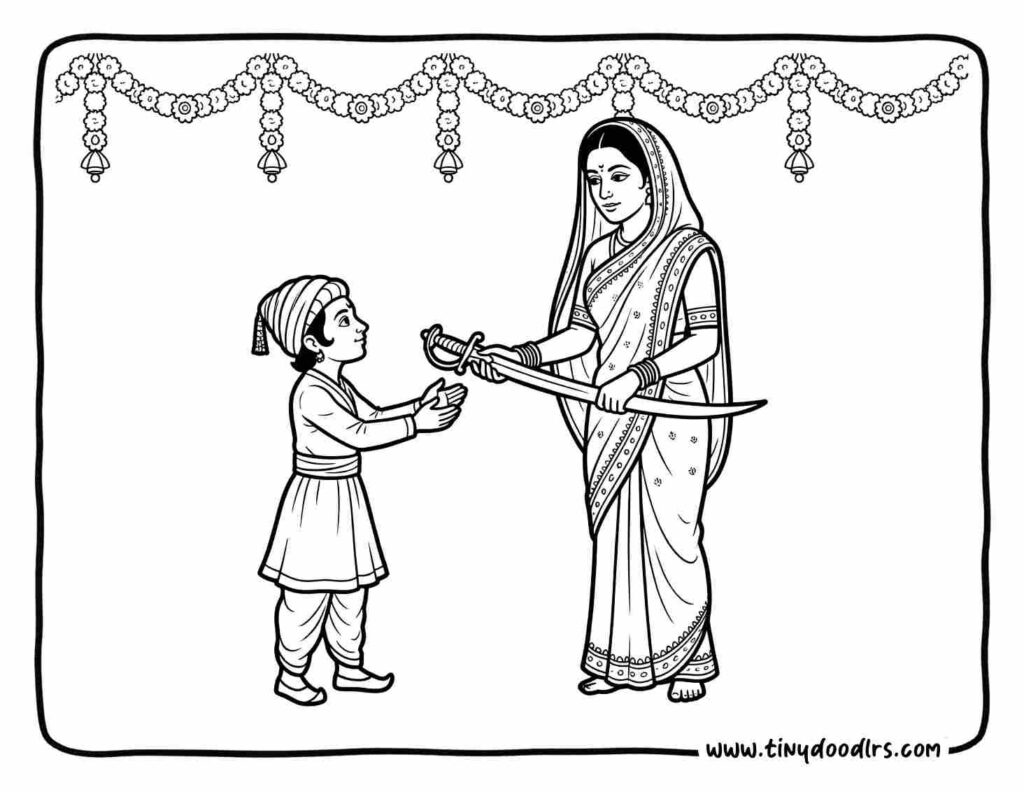
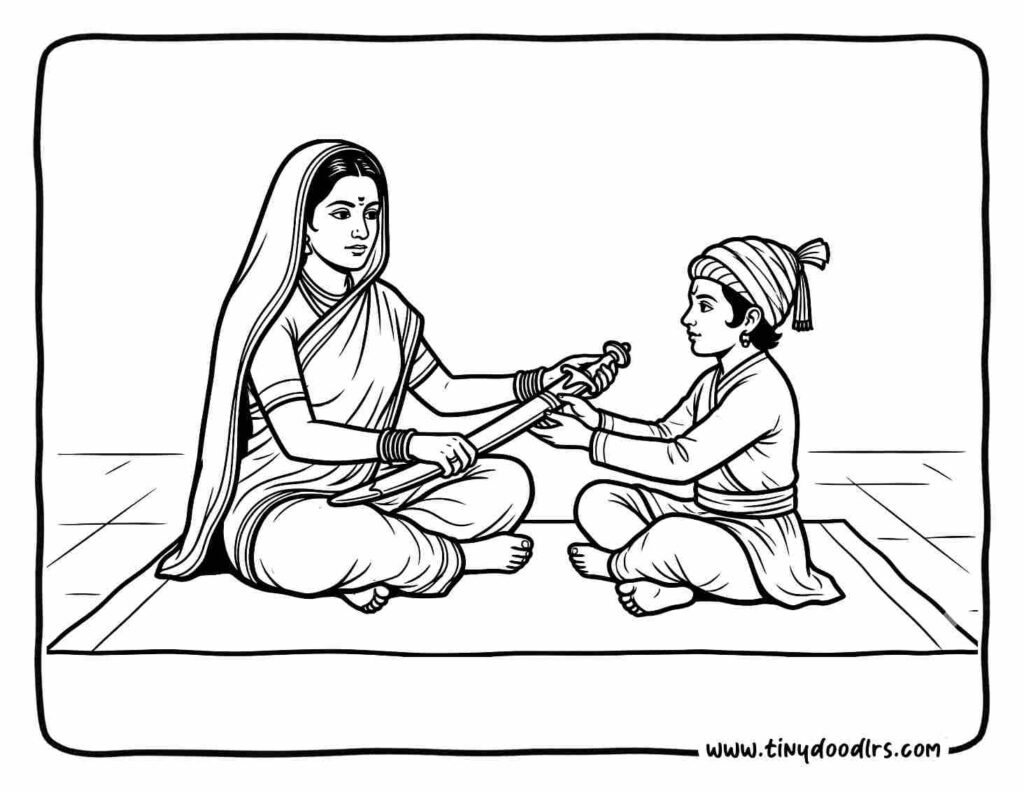
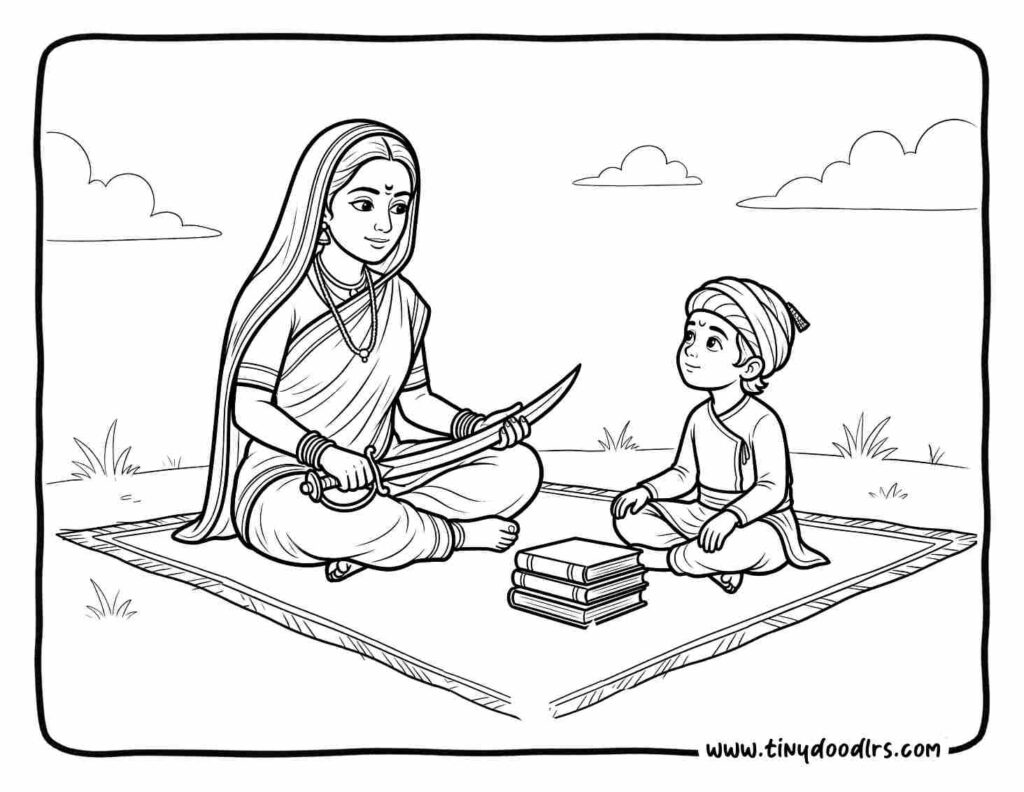
Shivaji Maharaj’s mother, Jijamata, laid the moral foundation of his life. She taught him stories from Indian history, the importance of justice, and respect for women, elders, and the poor.
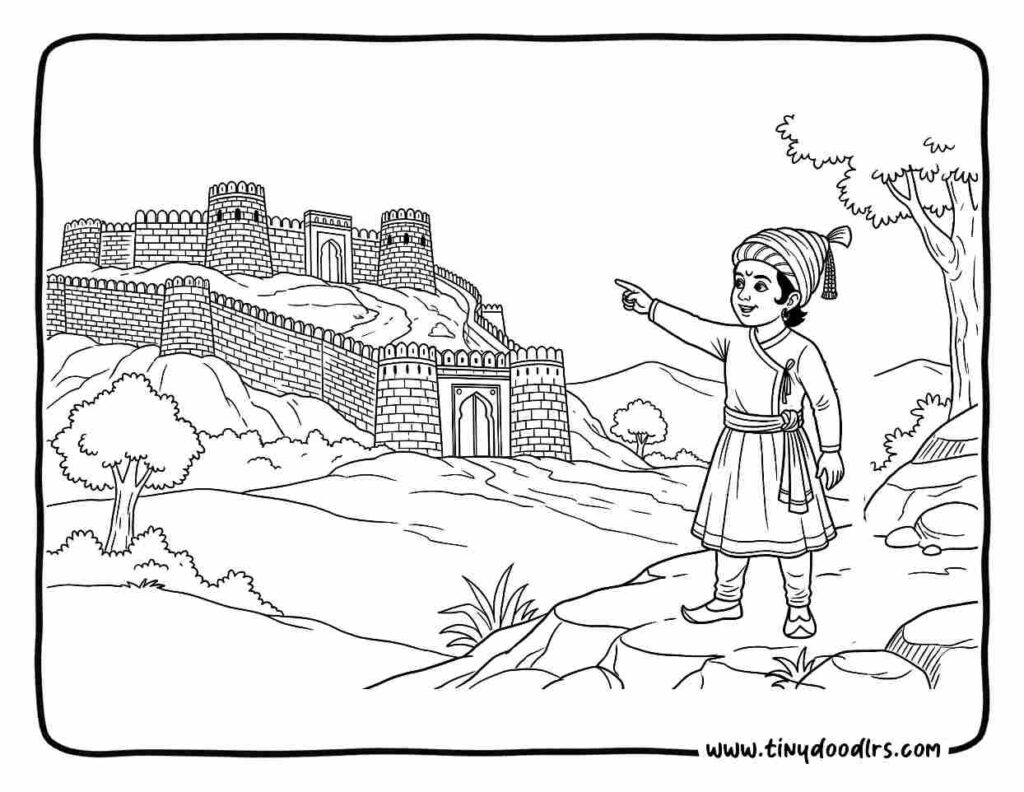
Unlike royal children raised only for luxury, Shivaji Maharaj grew up close to the land, people, and forts. He observed soldiers, farmers, traders, and villagers — learning how society truly functioned. She taught him that ruling was service, not privilege.
🔹Jijamata raised a leader, not just a warrior.
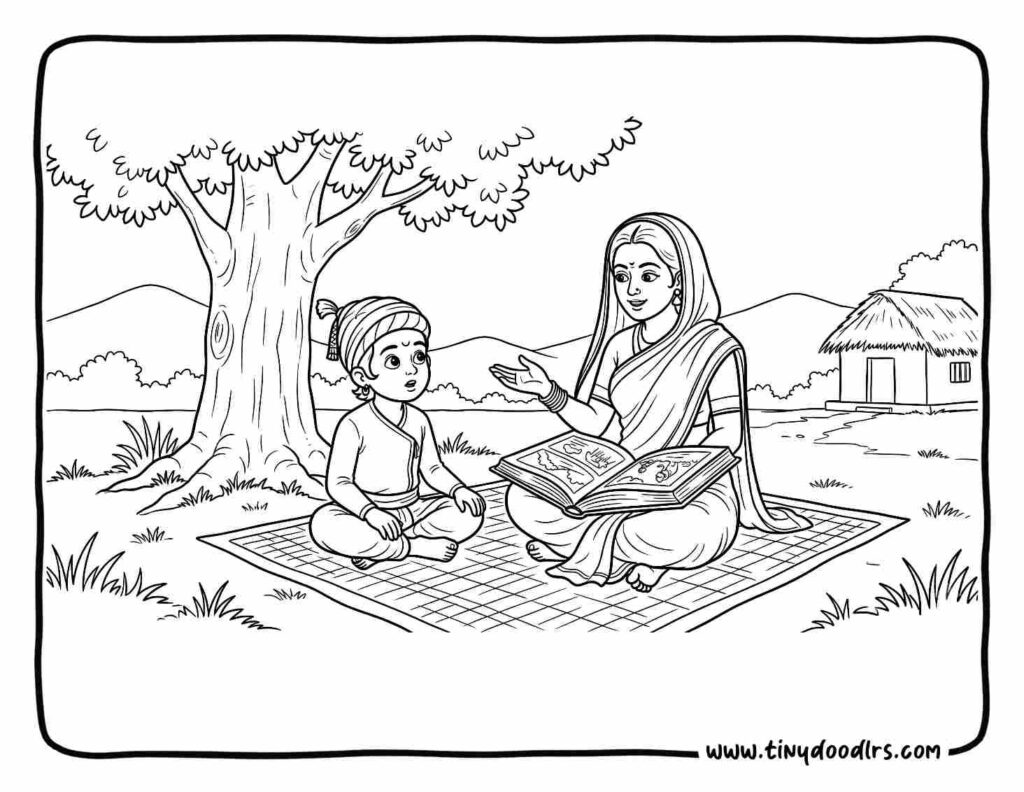
3. Training Under Dadoji Konddev
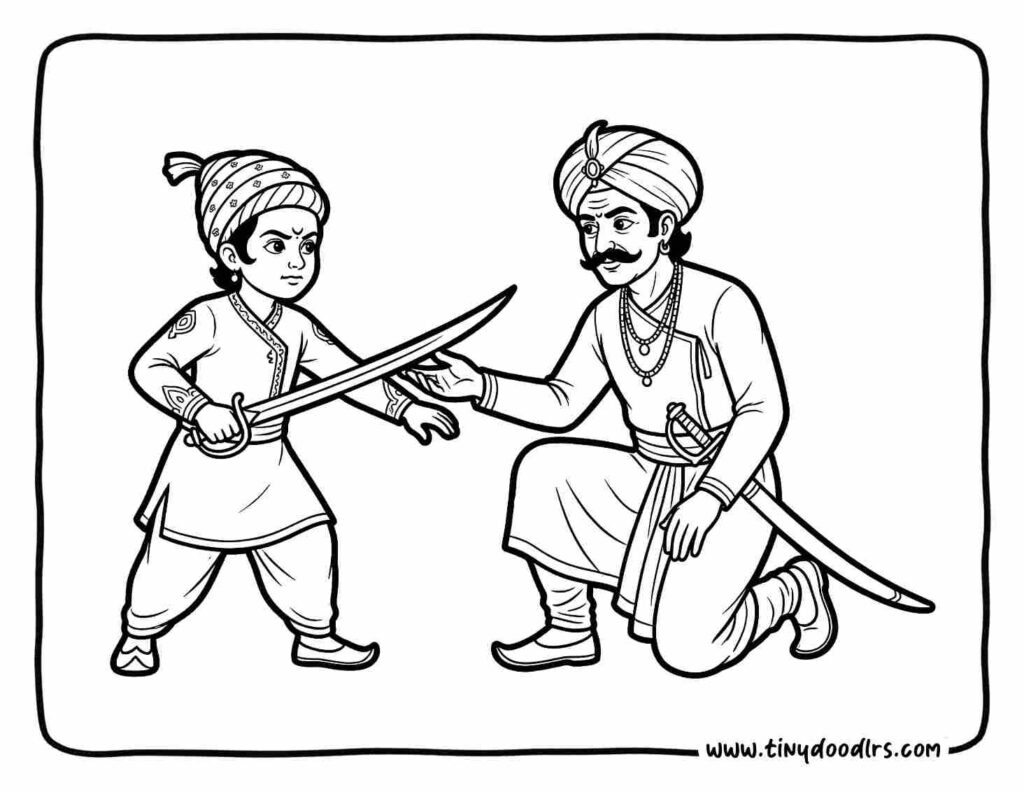
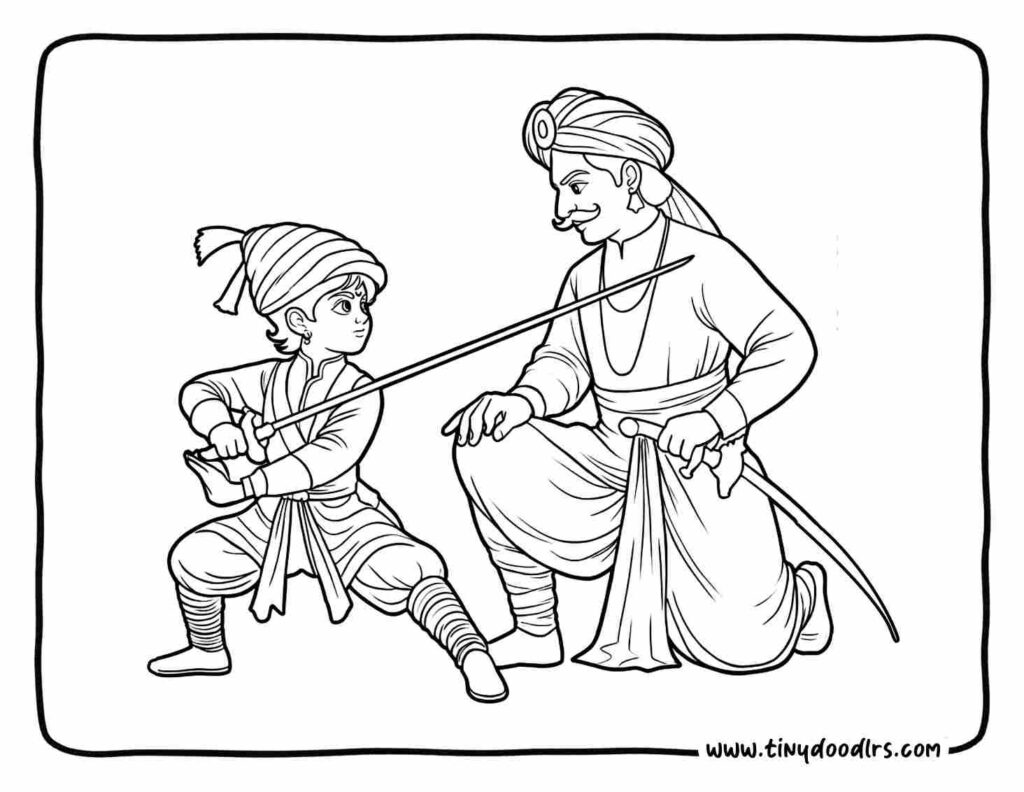
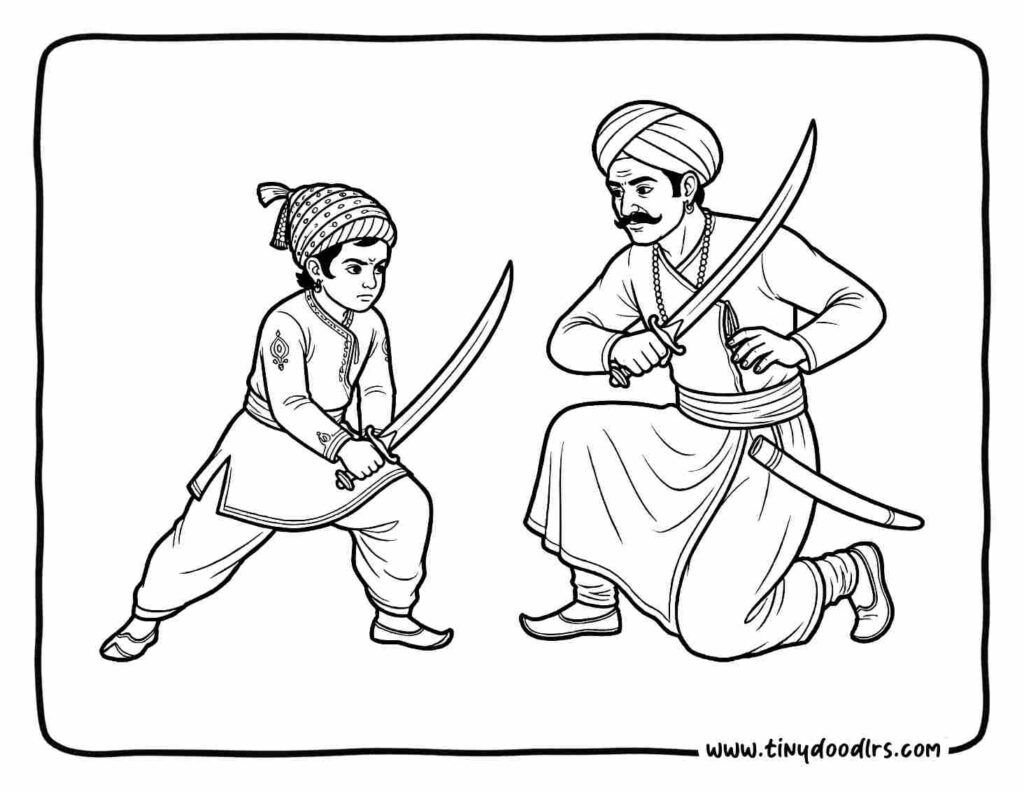
Shivaji Maharaj was trained by Dadoji Konddev, a strict and disciplined mentor. He learned:
- sword fighting
- archery
- horse riding
- military discipline
- fort administration
But more importantly, he learned self-control — that strength must always be guided by wisdom.
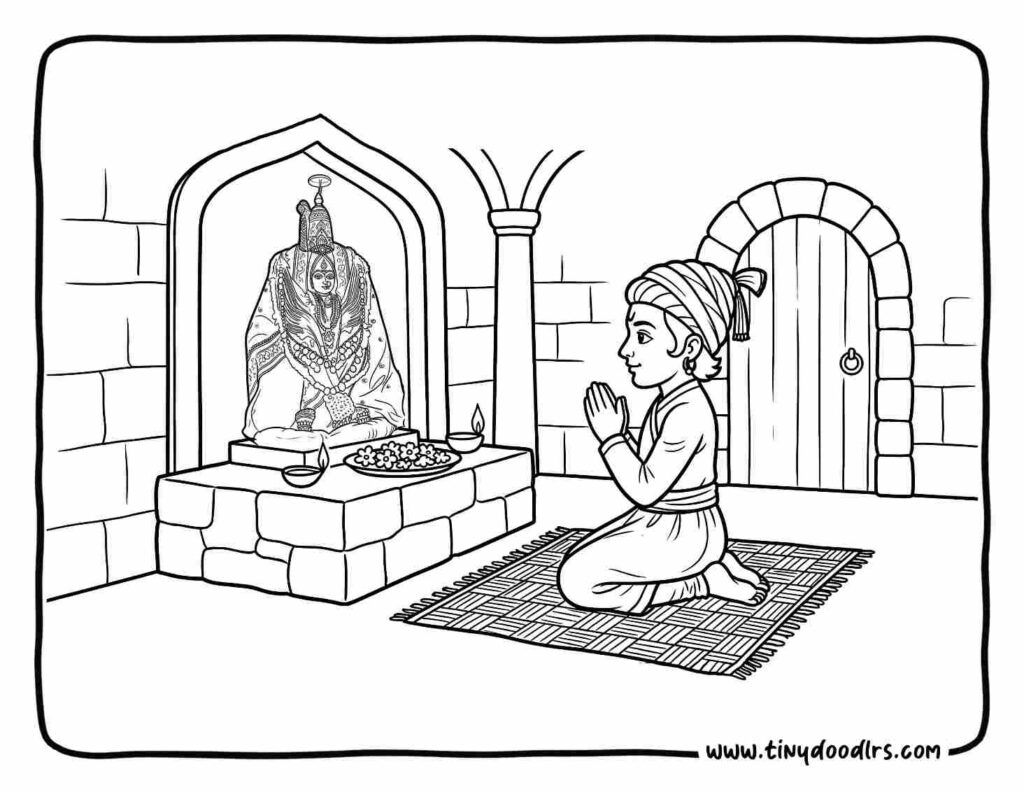
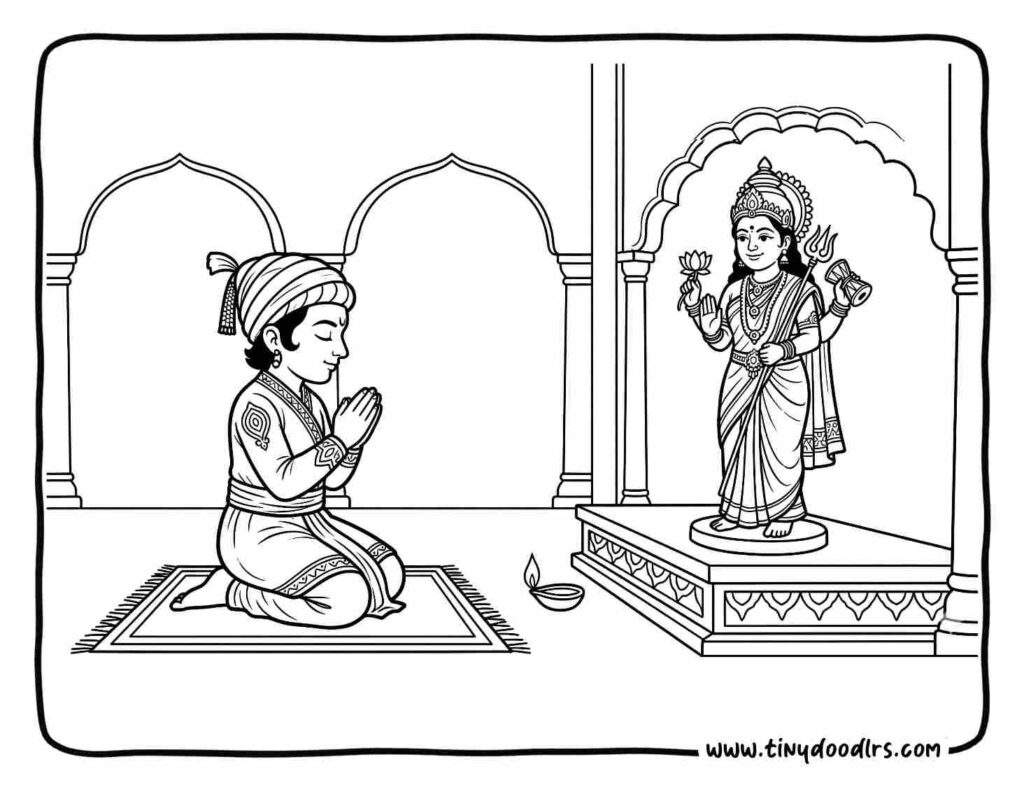
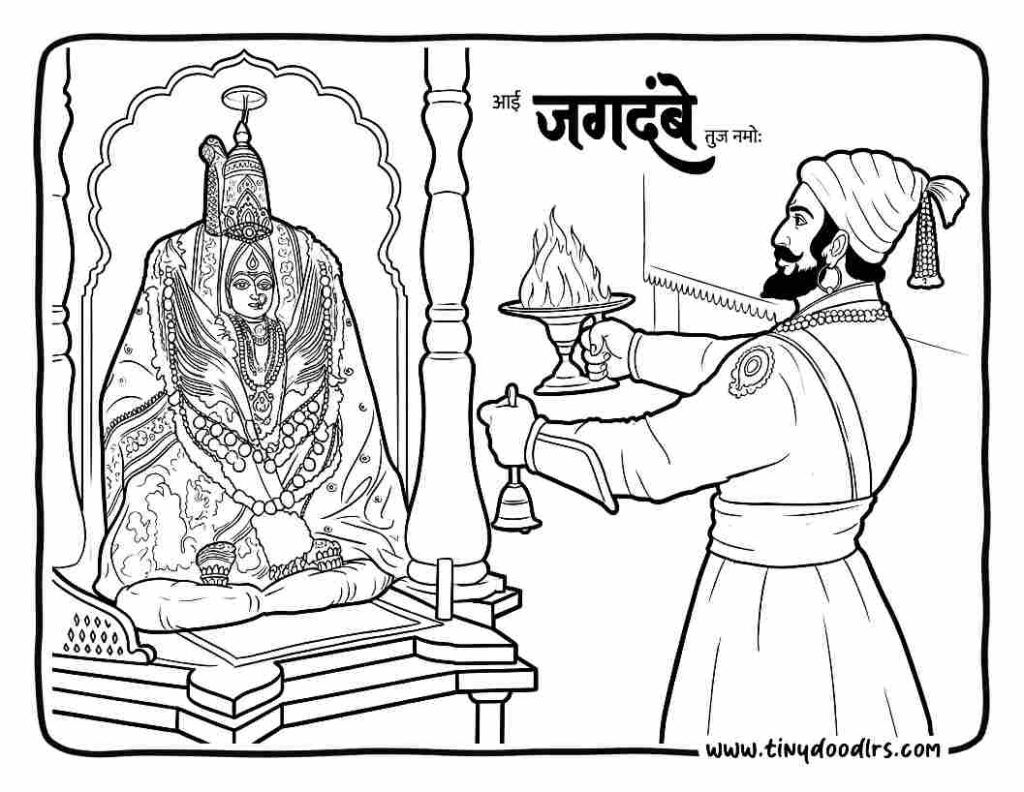
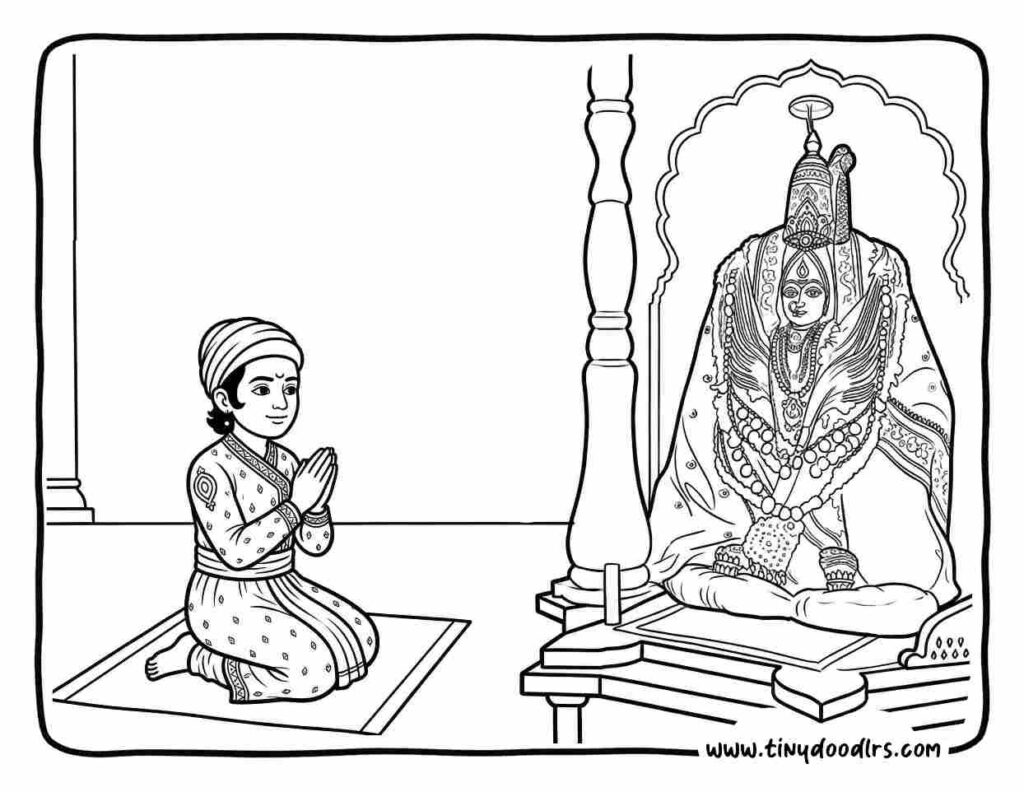
4. Faith & Inner Strength: Prayers to Tulja Bhavani Mata
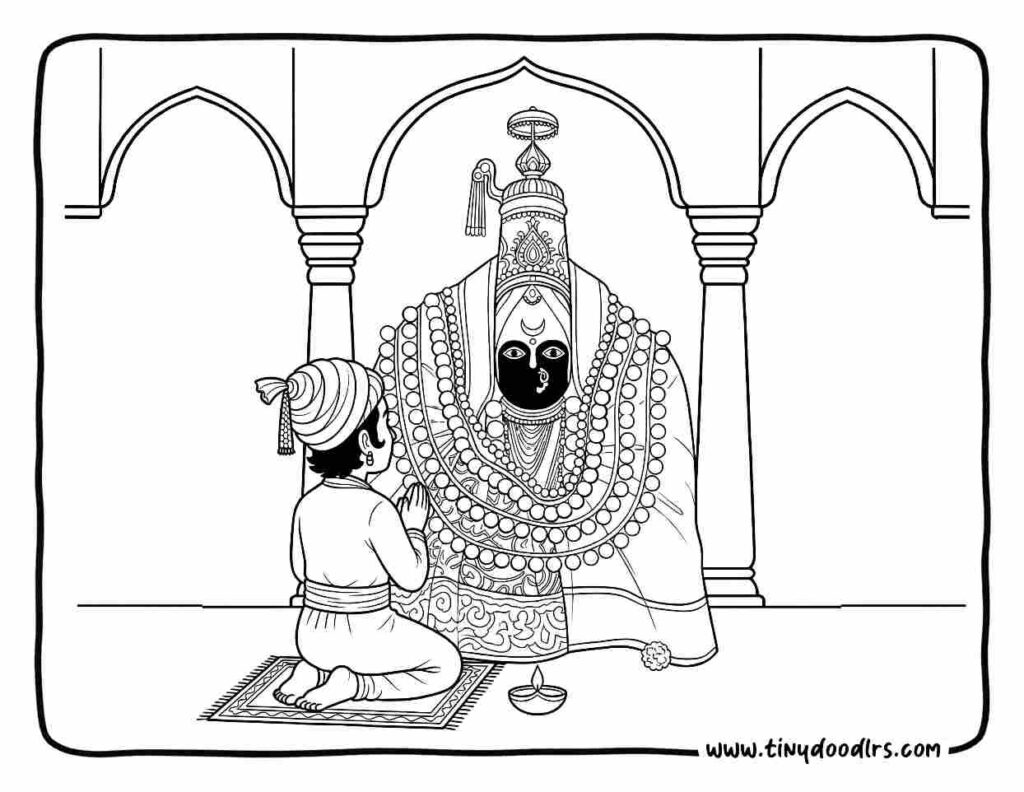
Before making big decisions, Shivaji Maharaj prayed to Tulja Bhavani Mata. His faith gave him inner strength, courage, and humility.
🔹He believed that power should always serve good purpose.
5. Meeting Saint Tukaram Maharaj: Spiritual Guidance
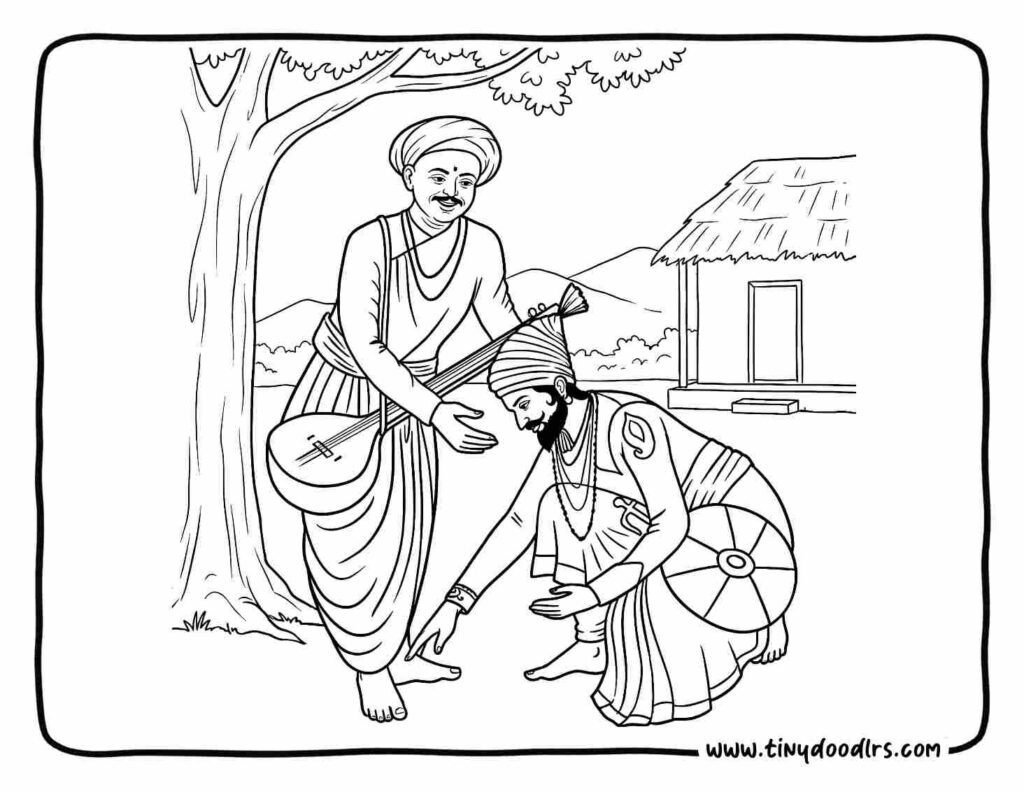
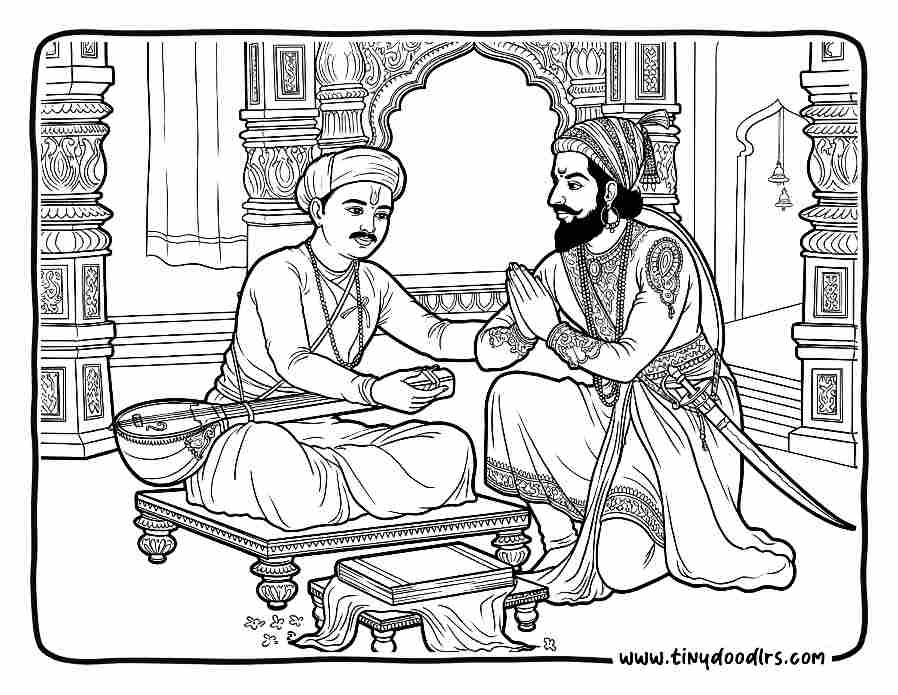
One of the most meaningful moments in Shivaji Maharaj’s life was his meeting with Sant Tukaram Maharaj, a great poet-saint known for devotion, simplicity, and equality. Sant Tukaram’s maharaj teachings strengthened Shivaji Maharaj’s emotional and spiritual depth.
6. The Dream of Swarajya
As Shivaji maharaj grew older, one dream became clear: Swarajya — self-rule where people could live with dignity and justice.
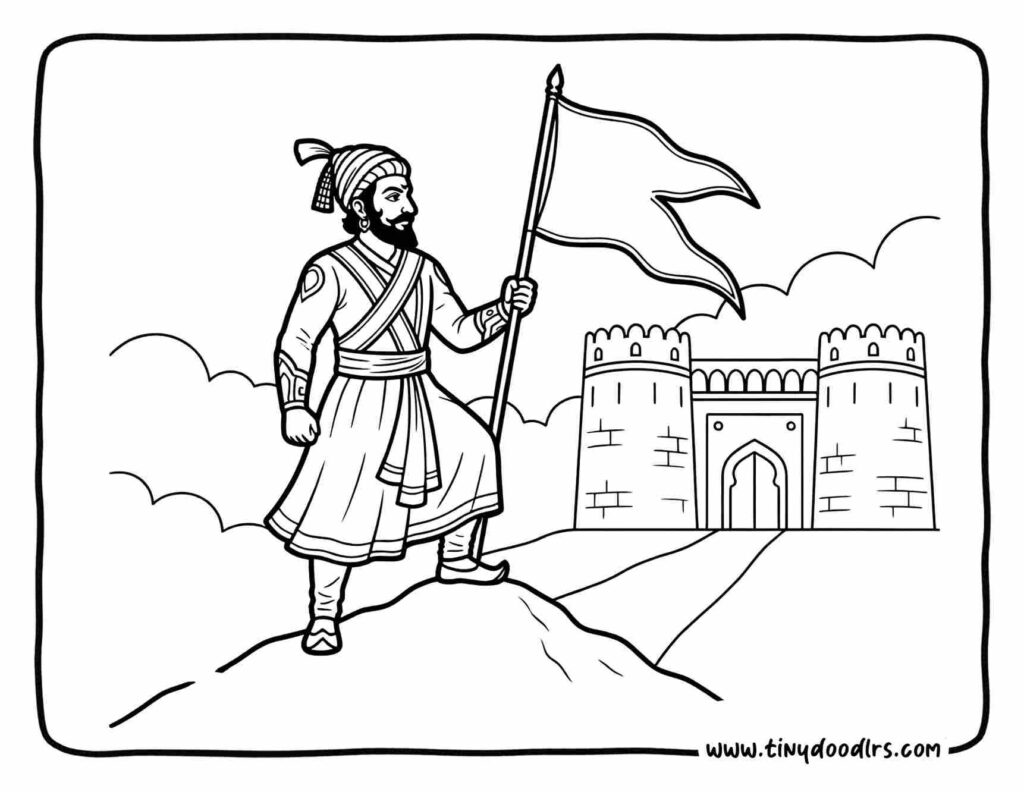
Swarajya meant:
- fair administration
- freedom from oppressive rule
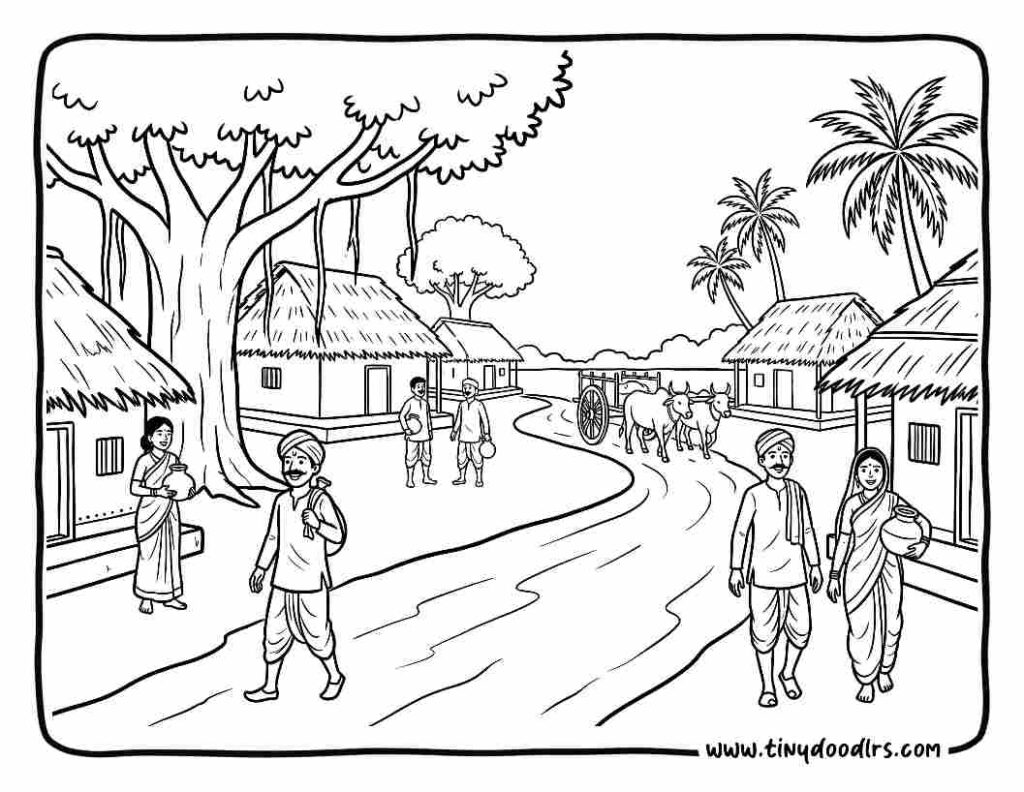
- safety for common people
🔹 This was not about power. It was about protecting the land and its people.
7. Early Fort Conquests and Guerrilla Warfare
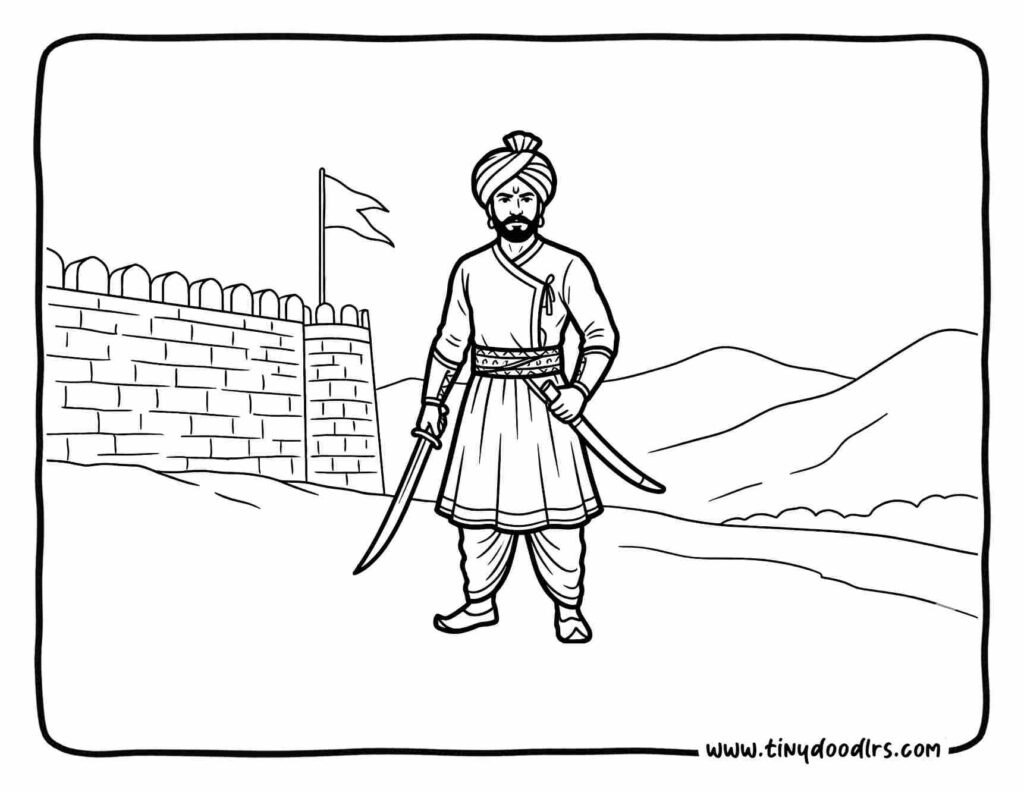
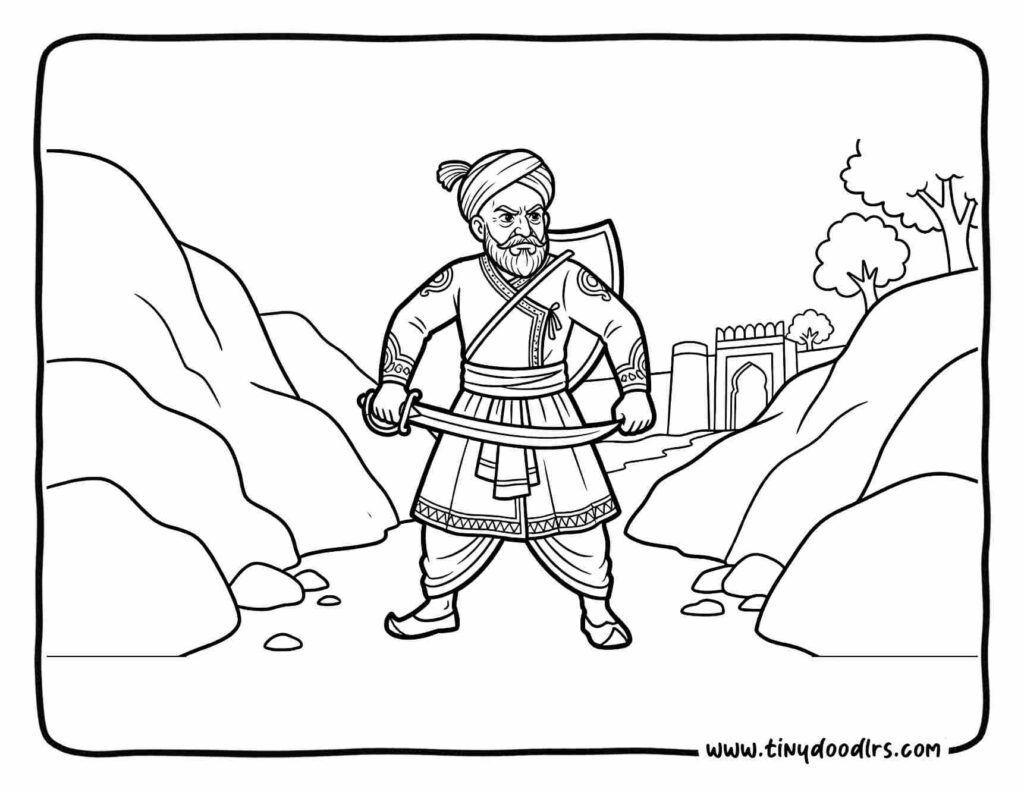
Shivaji Maharaj fought many battles, including conflicts with powerful forces like the Mughals. Shivaji Maharaj captured forts like Torna, Rajgad, and Kondana using intelligence rather than brute force. His guerrilla warfare tactics minimized civilian suffering and maximized efficiency.
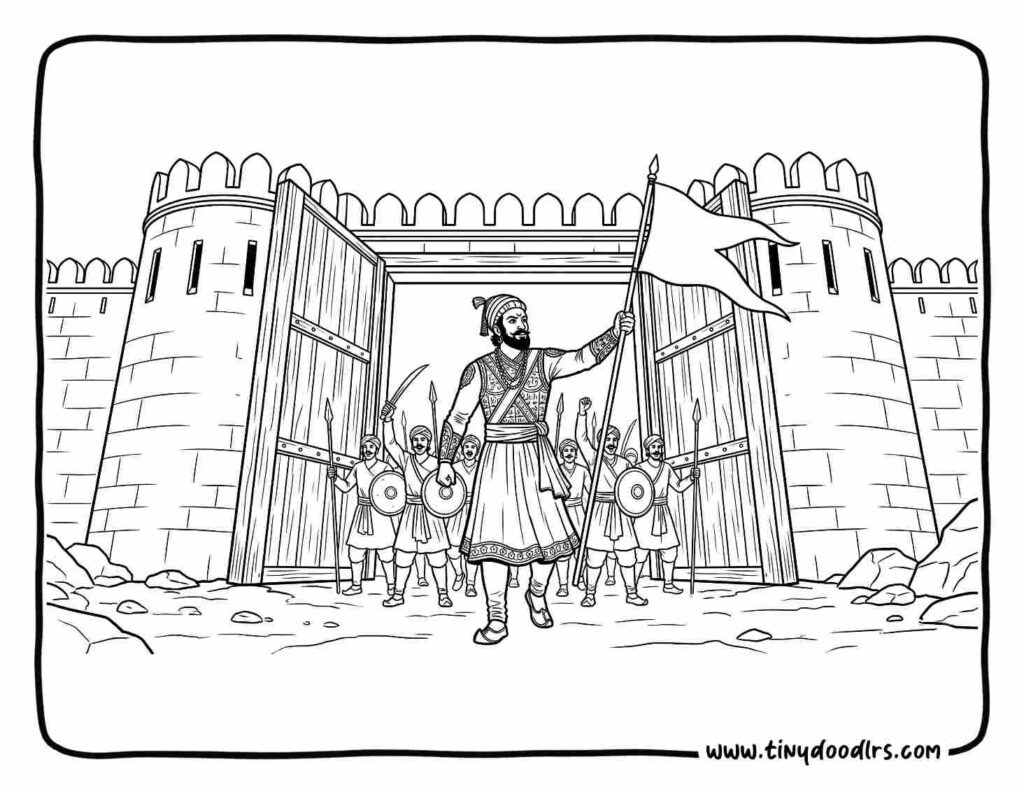
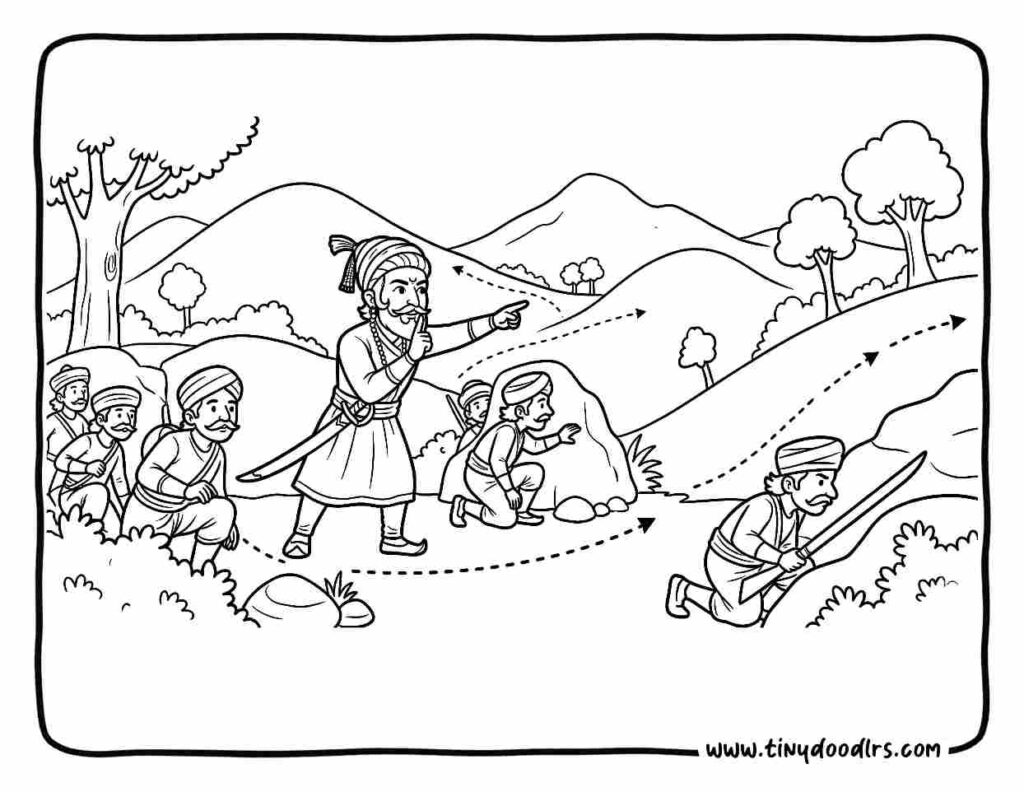
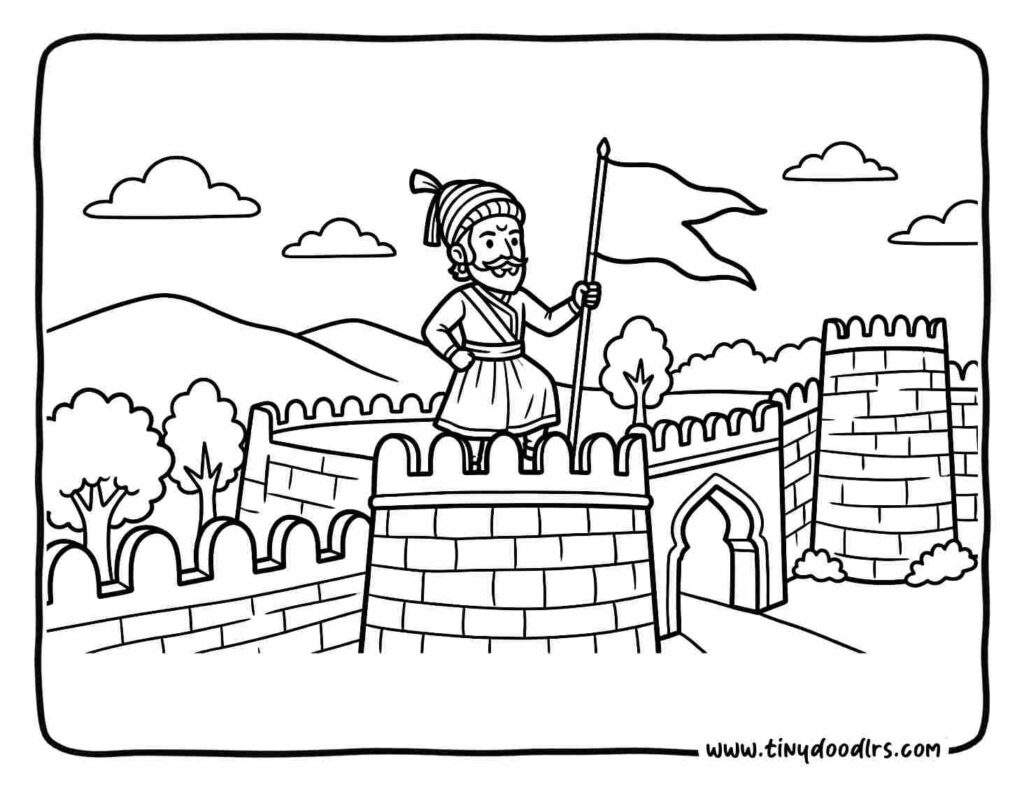
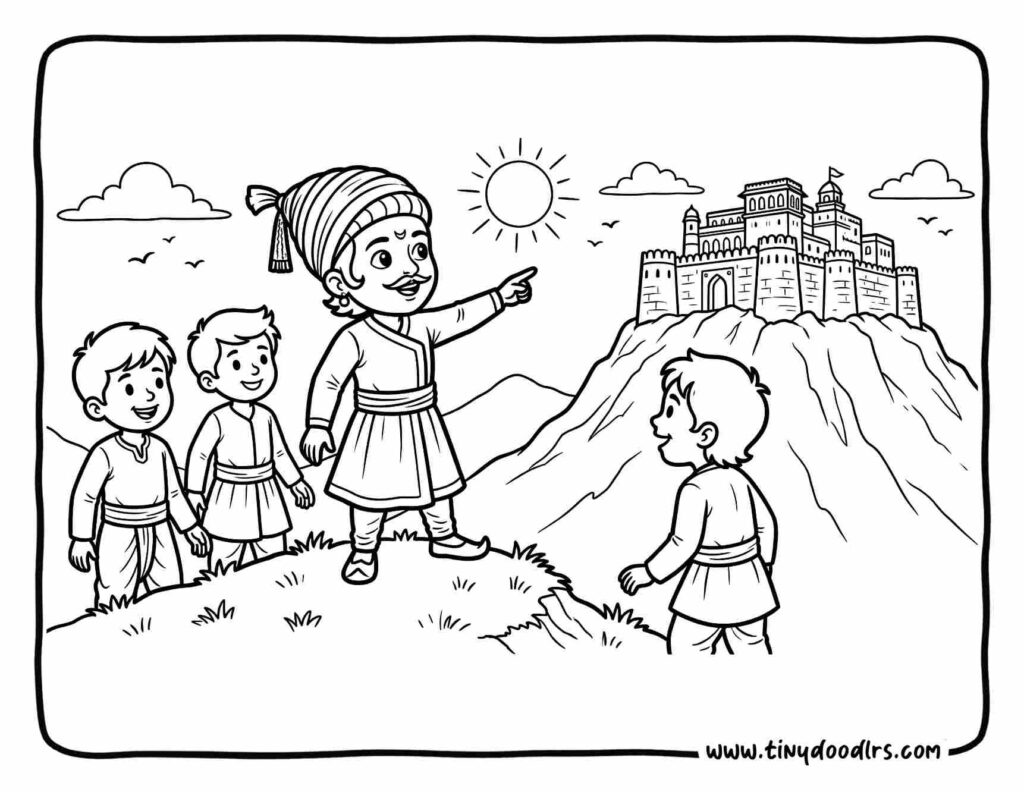
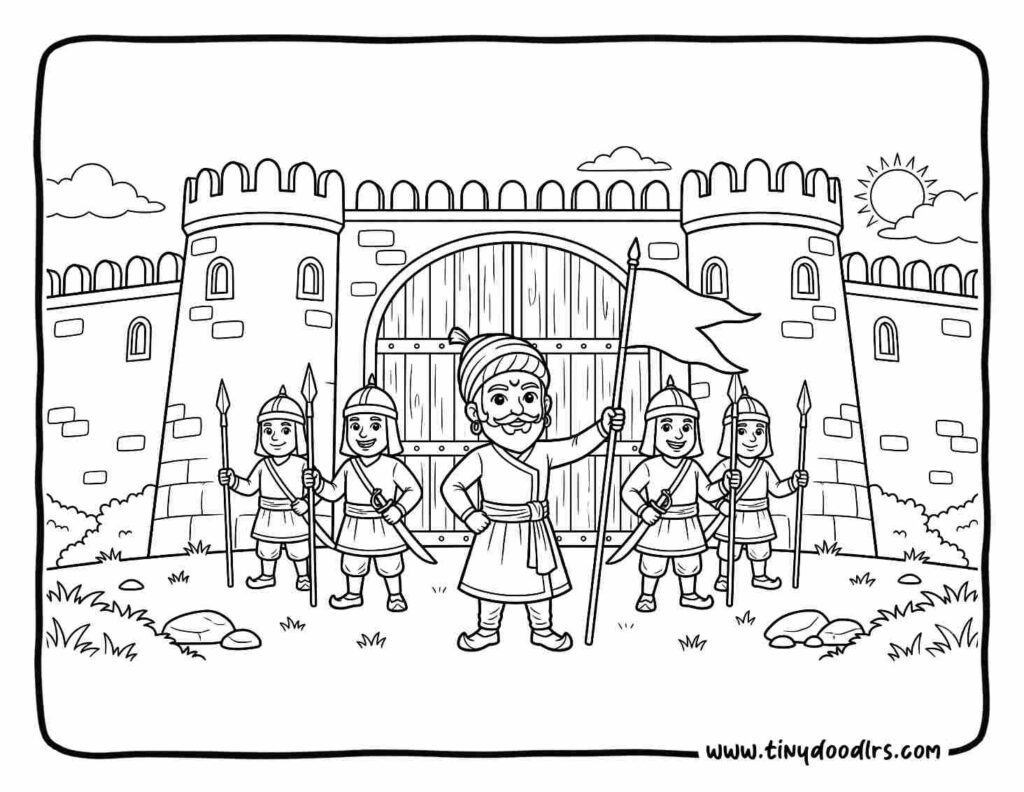
Perfect for chhatrapati shivaji maharaj drawing for school competition.
8. The Loyal Mavalas: The Pillars of Swarajya
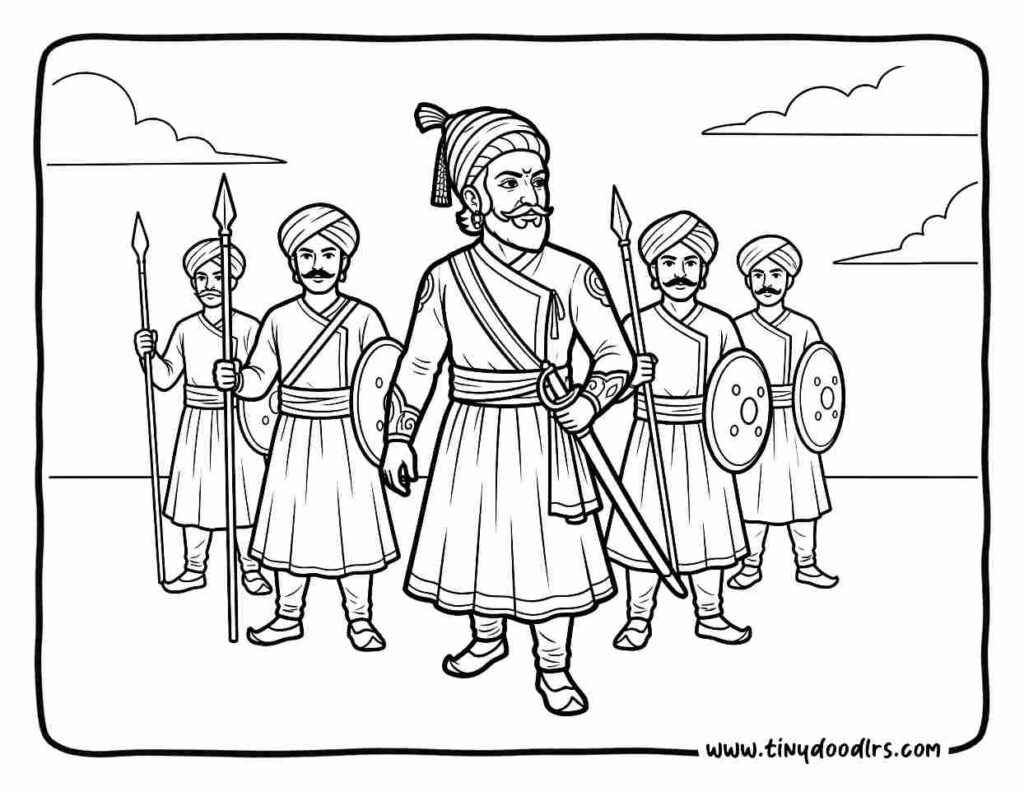
Shivaji Maharaj built Swarajya with loyal companions known as Mavalas, warriors bound by trust and purpose.
🔹 Famous Mavalas and Commanders:
- Baji Prabhu Deshpande – unmatched sacrifice
- Tanaji Malusare – hero of Kondhana
- Jiva Mahala – protector at Pratapgad
- Netaji Palkar – cavalry commander
- Murarbaji Deshpande – fearless warrior
- Yesaji Kank – trusted leader
- Hiroji Indulkar – master fort architect
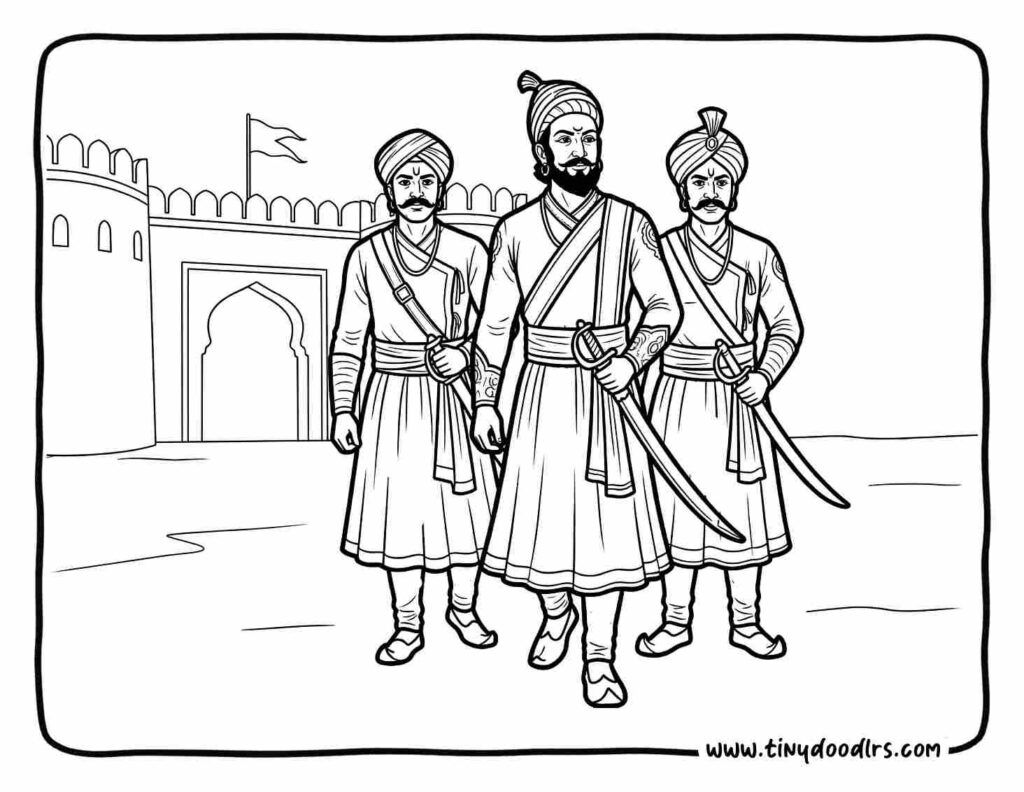
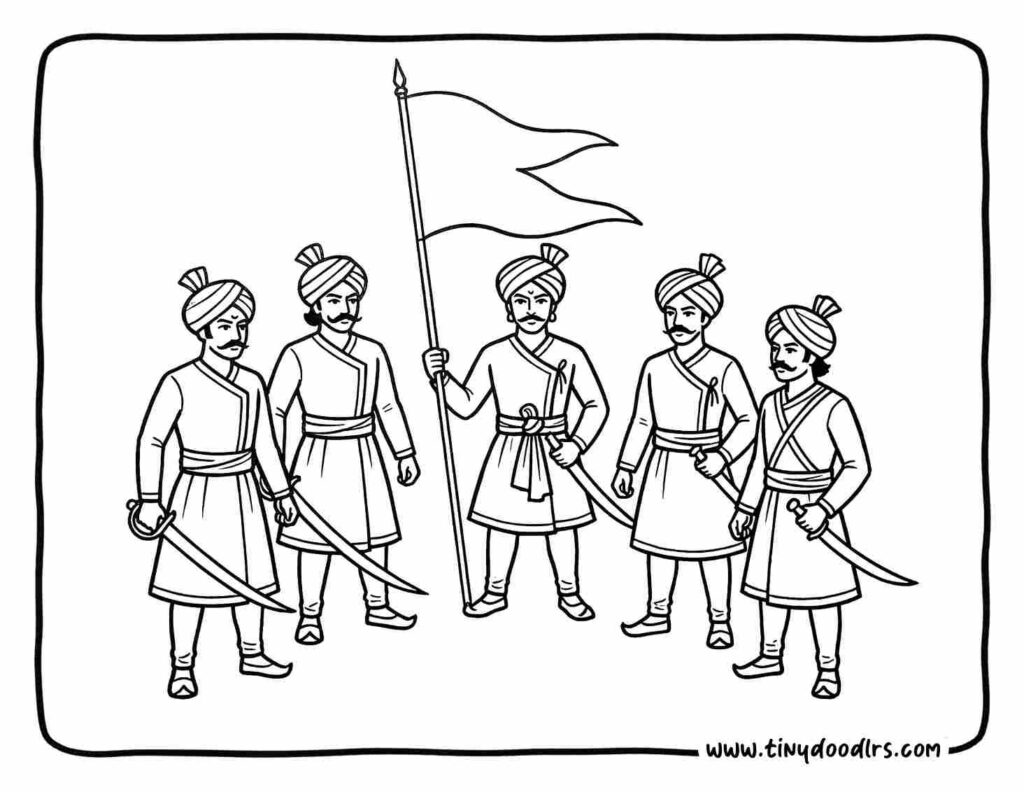
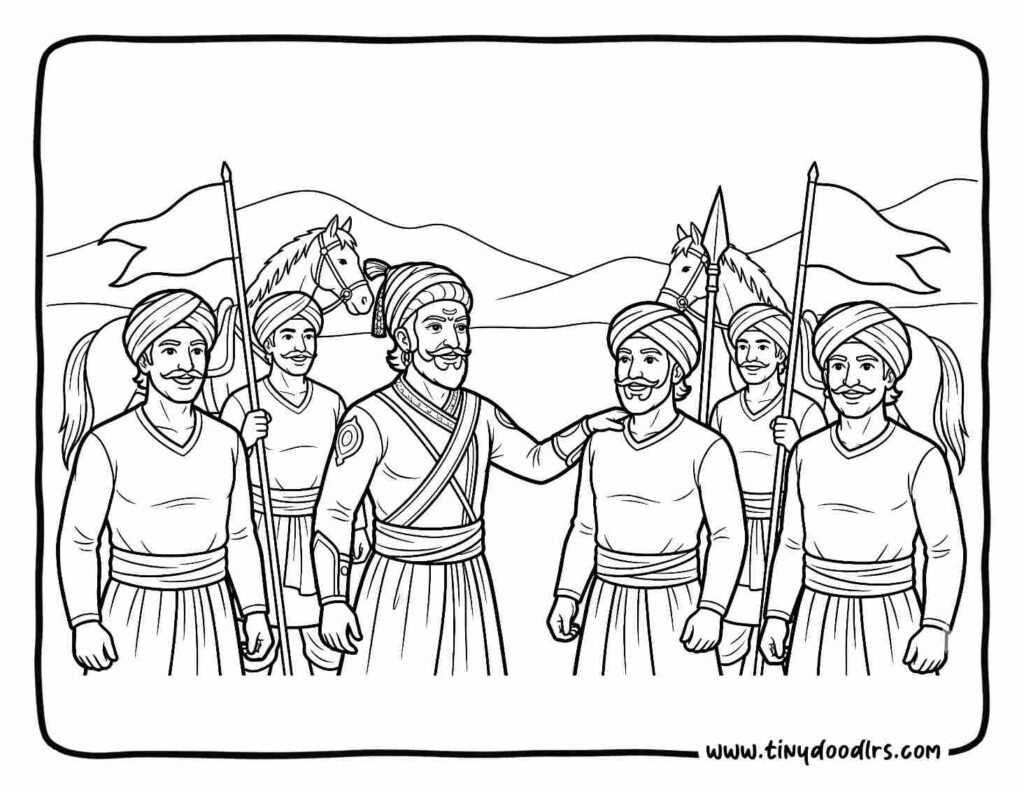
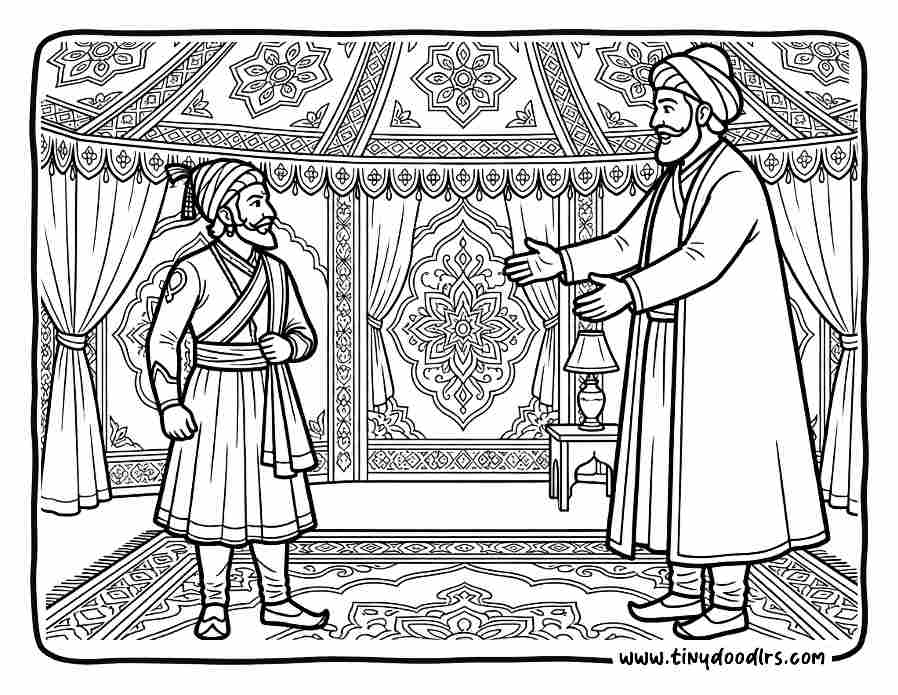
9. Afzal Khan Episode: Courage With Presence of Mind
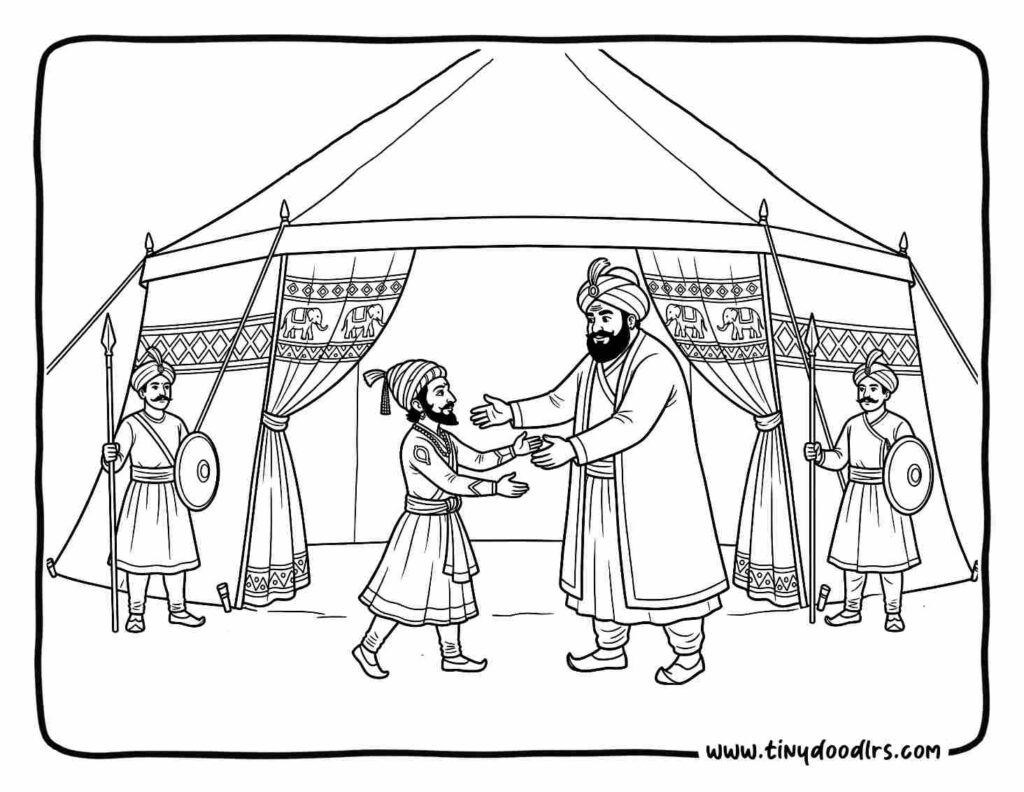
At Pratapgad, Afzal Khan attempted deception under the guise of diplomacy. Shivaji Maharaj remained alert, calm, and prepared.
This event showed that courage is not loud — it is calm and ready.
10. Conflicts With the Mughals
Shivaji Maharaj faced powerful Mughal forces, including campaigns against Shaista Khan and later Mughal generals. His bold yet calculated strategies weakened enemy morale while protecting civilians.
Even during war, he maintained ethical conduct.
11. Agra Visit and the Great Escape (1666)
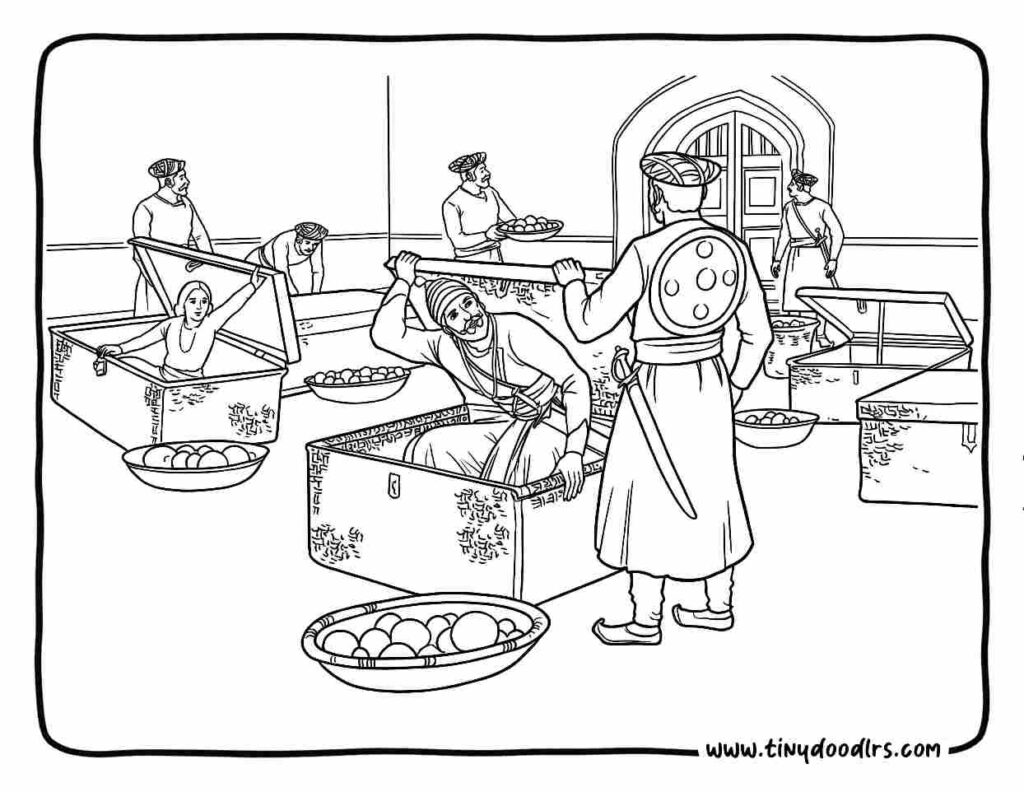
Shivaji Maharaj was invited to Agra by Mughal Emperor Aurangzeb and was later placed under house arrest. Instead of panic, Shivaji Maharaj planned patiently.
Disguised in fruit baskets, he escaped Agra — an act remembered as one of the greatest strategic escapes in history.
12. Naval Vision: Building India’s First Strong Navy
Shivaji Maharaj understood that protecting the coastline was crucial. He built a strong naval force, something rare in India at the time.
Key features of his naval system:
- coastal forts like Sindhudurg
- trained sailors
- protection of trade routes
He is rightly called the Father of the Indian Navy.


13. Respect for Women and Compassion for the Poor
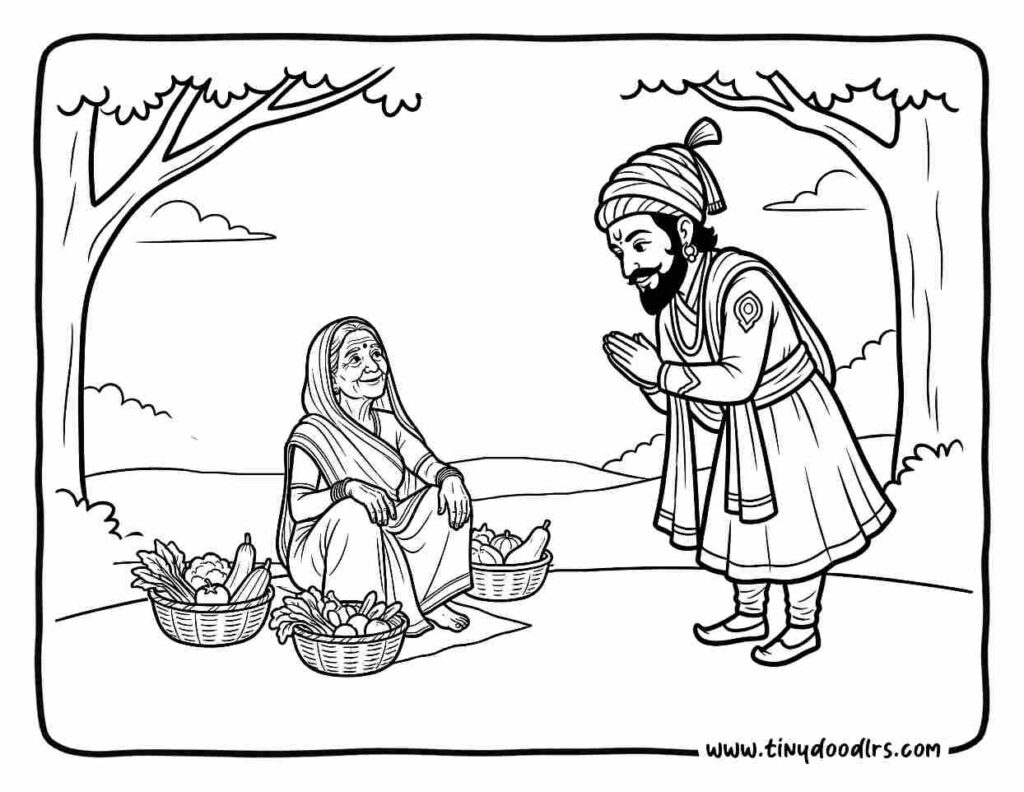
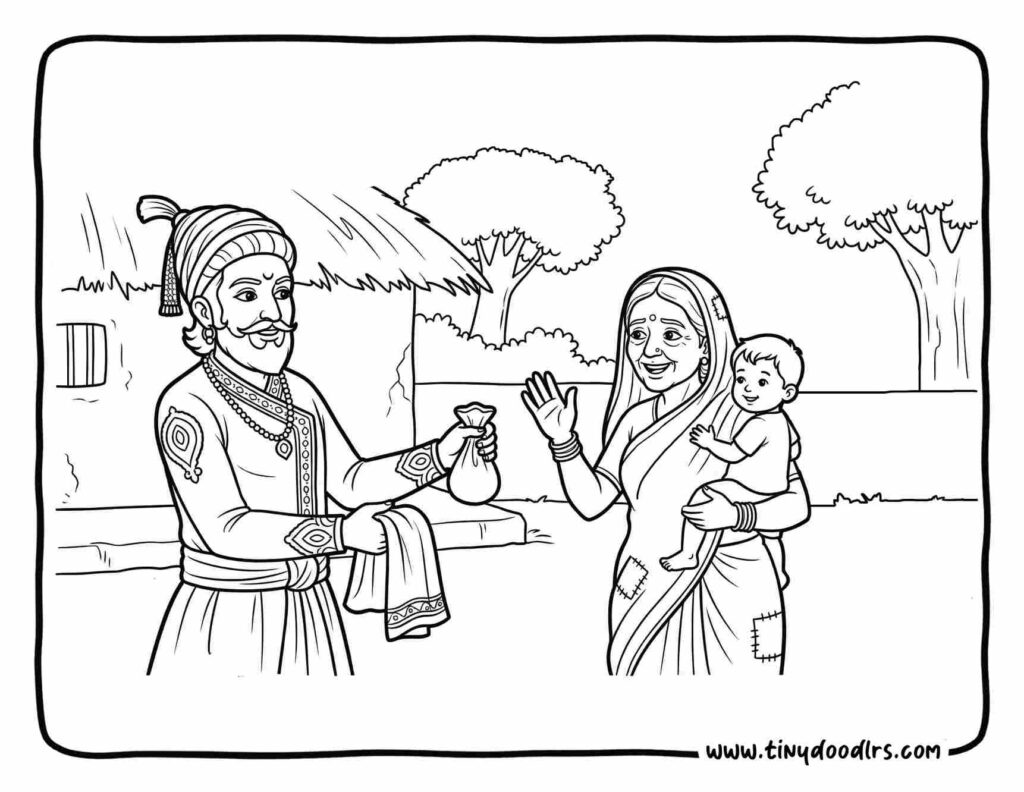
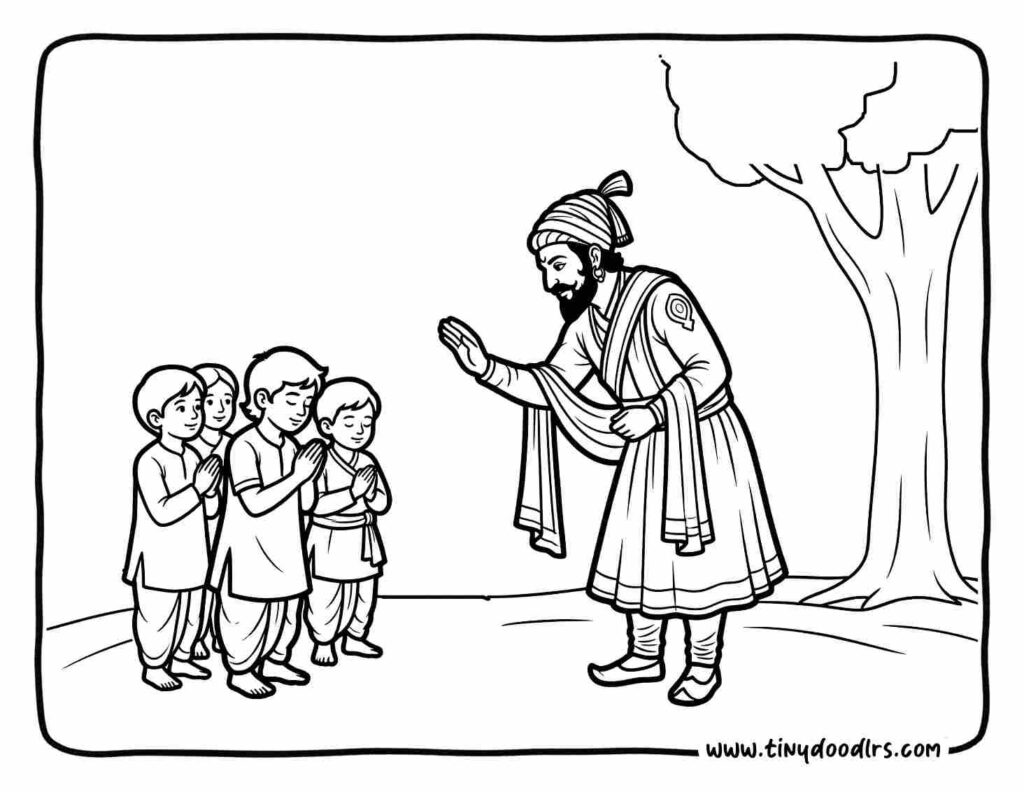
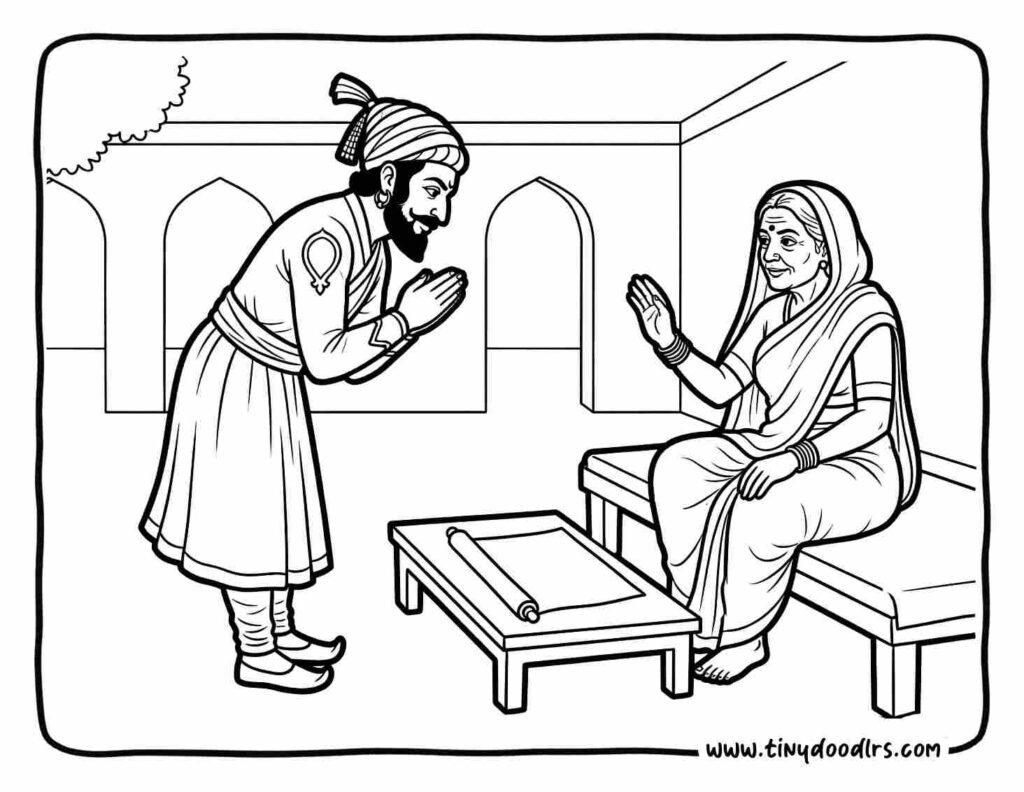
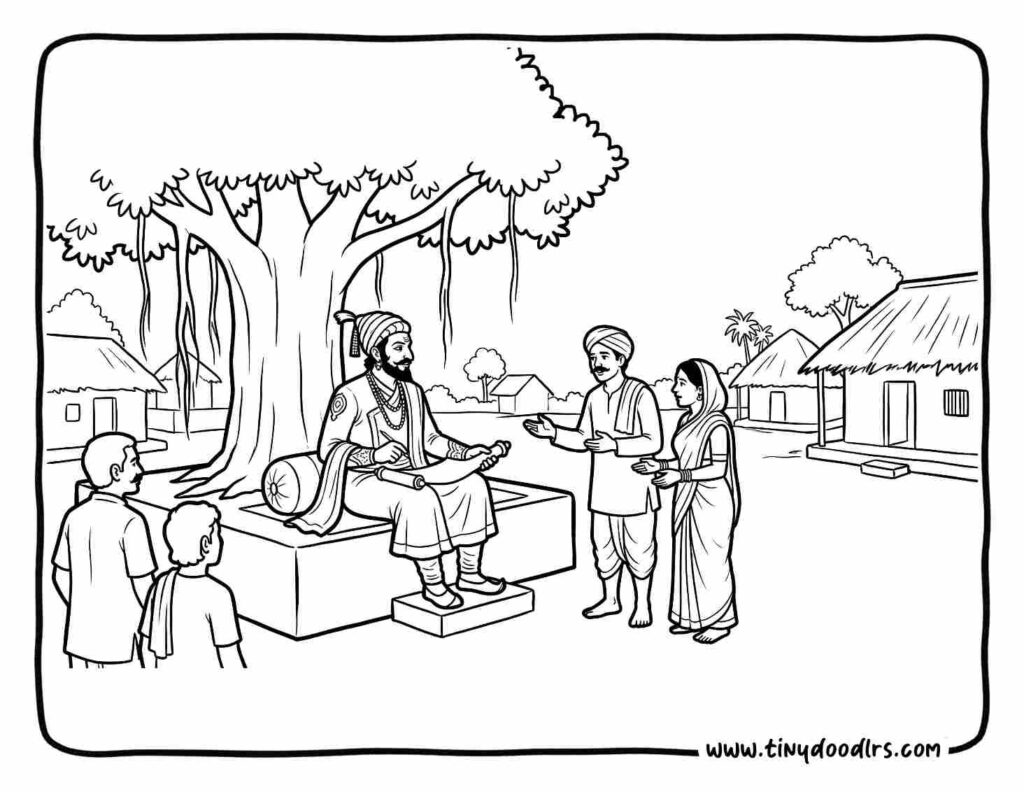
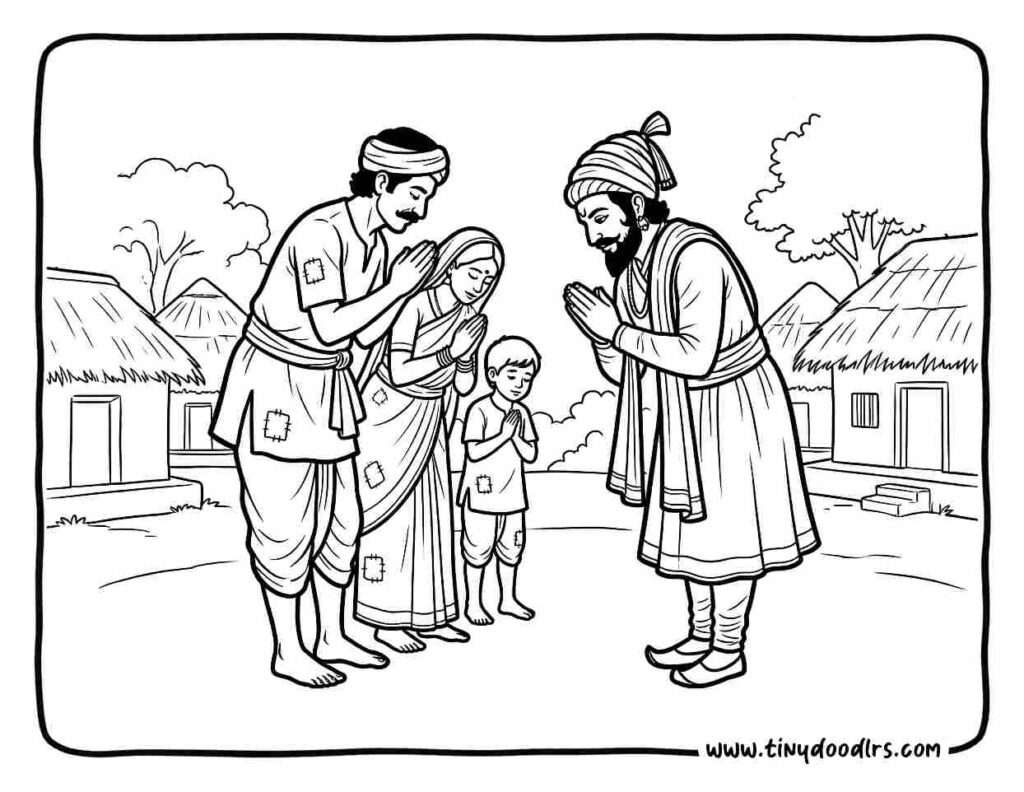
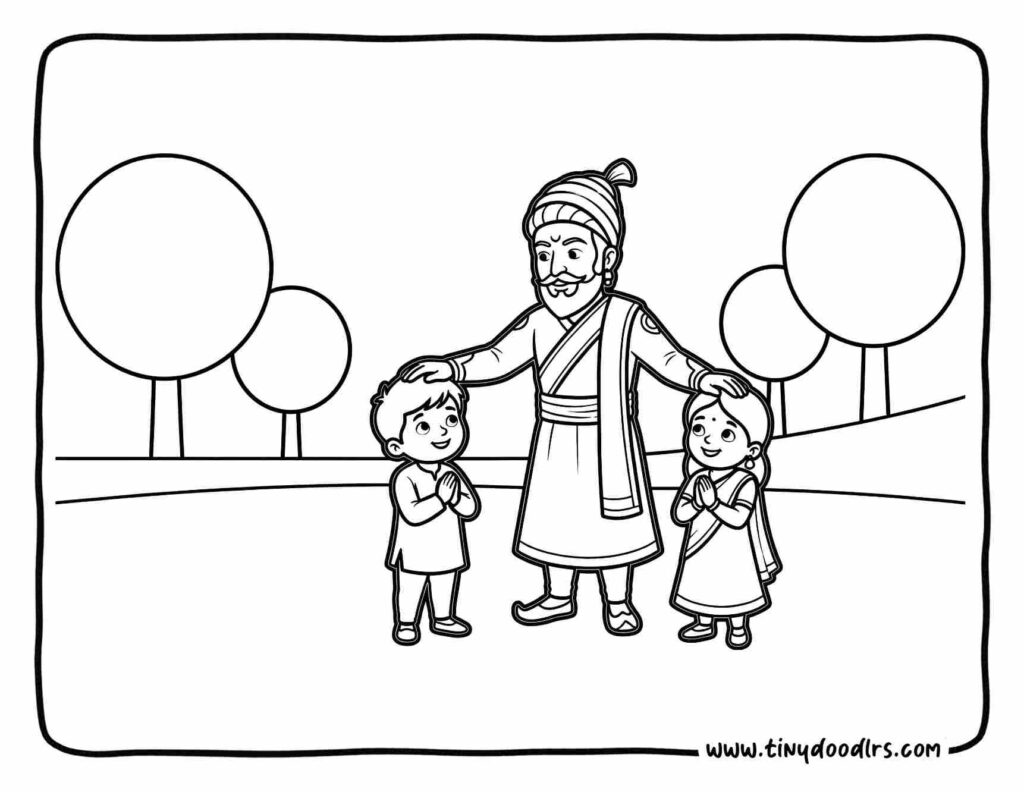
One of Shivaji Maharaj’s most remarkable traits was his strict respect for women. Women captured during conflicts were treated with dignity and safely returned. He supported farmers, traders, and the poor, ensuring justice reached all.
He believed:
“A kingdom is judged by how it treats its weakest.”
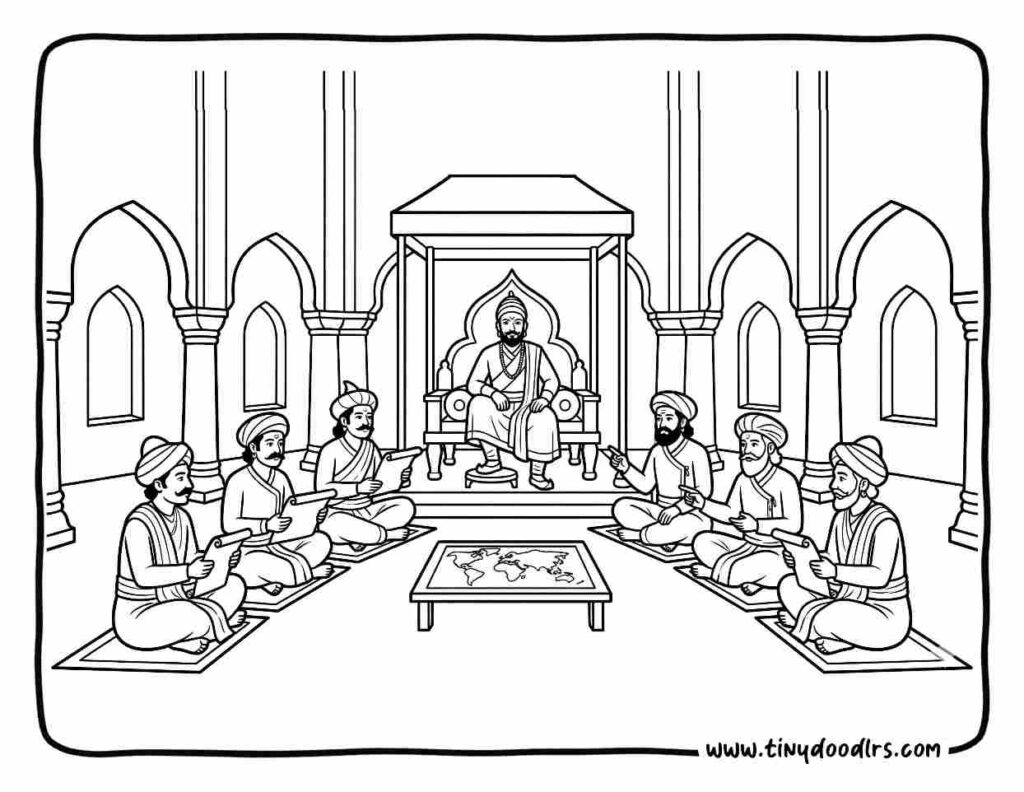
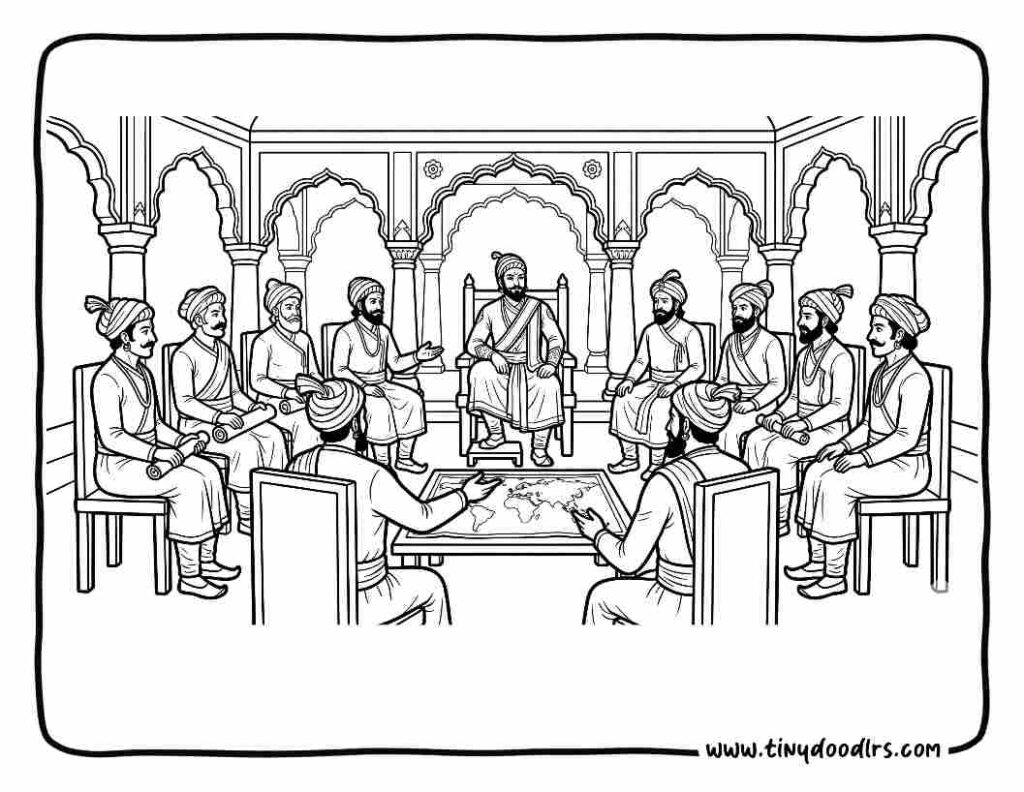
14. The Ashtapradhan Mandal: Governance With Structure
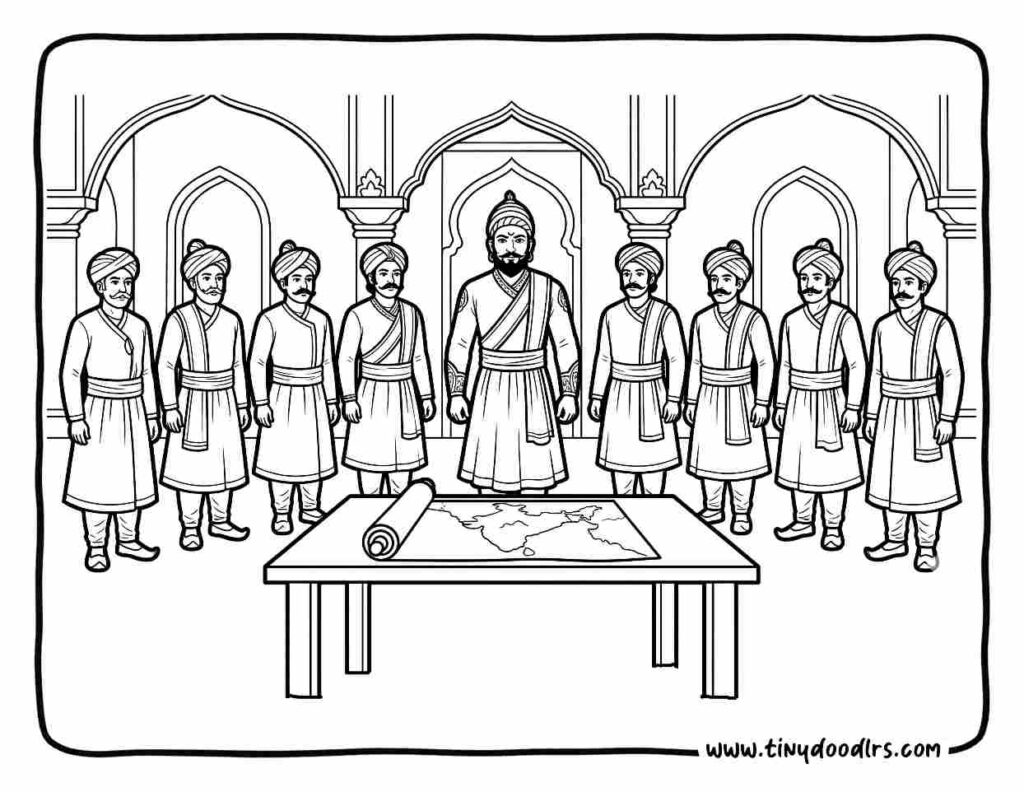
Shivaji Maharaj established the Ashtapradhan Mandal, a council of eight ministers, each responsible for key administration areas like:
- finance
- defense
- justice
- foreign affairs
This showed that Swarajya was not chaos — it was organized governance.
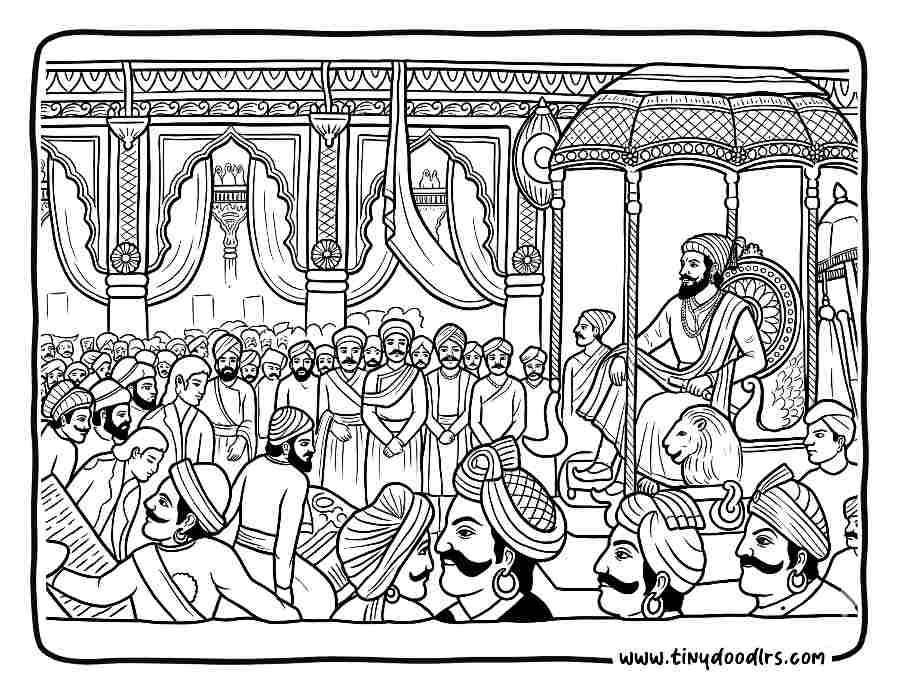
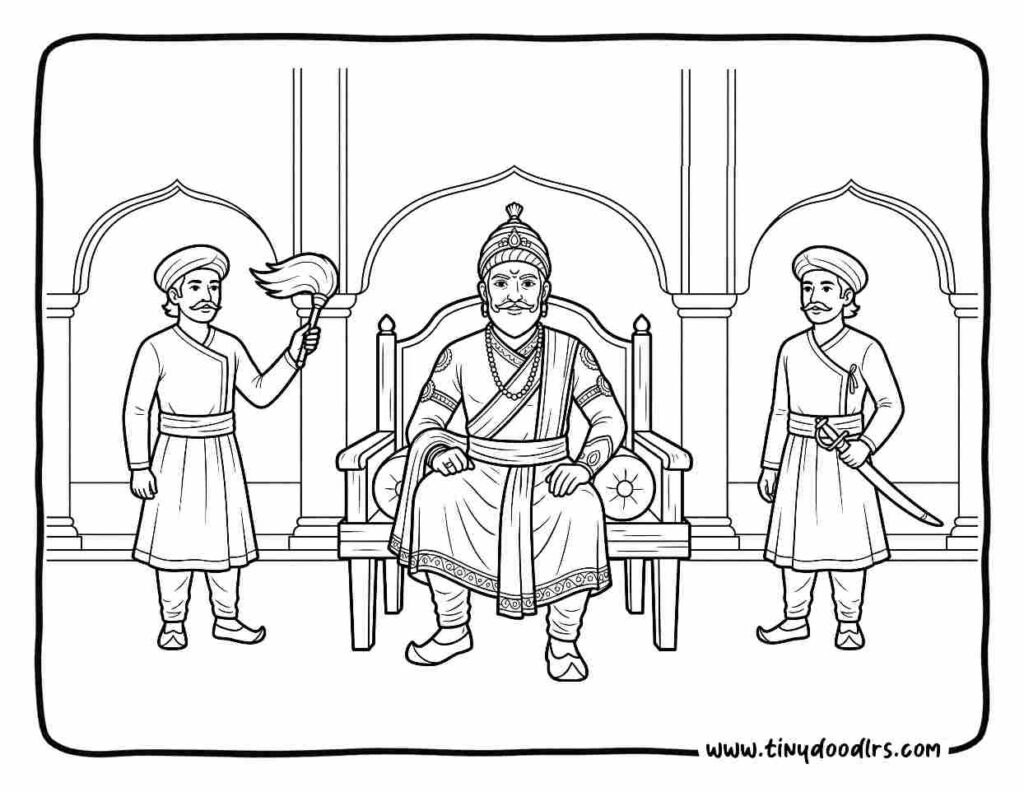
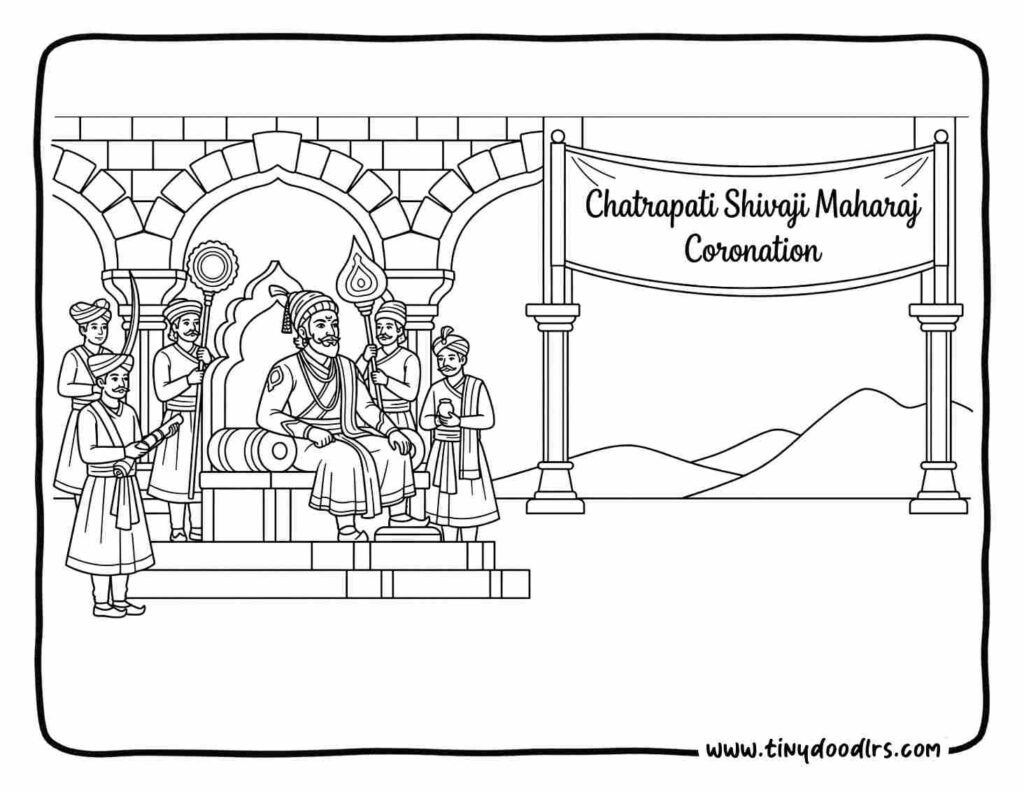
15. Coronation as Chatrapati (1674)
In 1674, Shivaji Maharaj was crowned Chatrapati at Raigad Fort. This was the formal recognition of Swarajya.
Despite being crowned, he lived simply and stayed connected to the people.
16. Legacy: A Leader Beyond Time
Shivaji Maharaj passed away in 1680, but his ideals continue to inspire the world. For children, he teaches:
- courage with kindness
- respect for others
- standing up for what’s right
For adults, he teaches:
- ethical leadership
- responsible governance
- vision with integrity
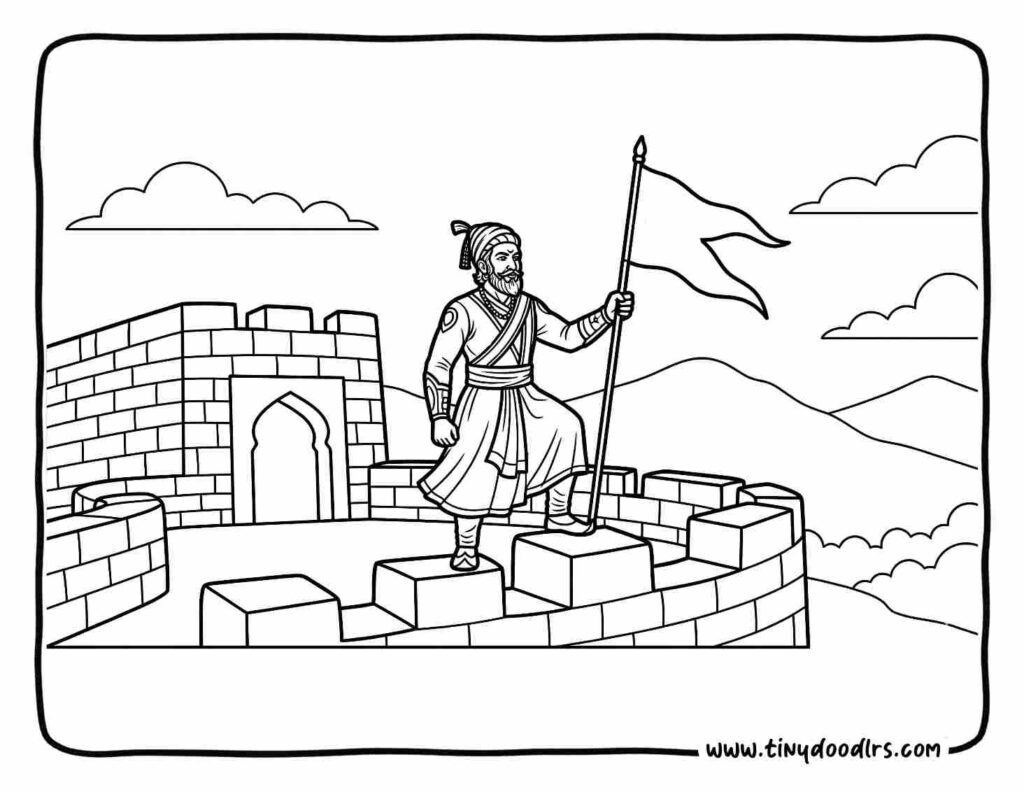
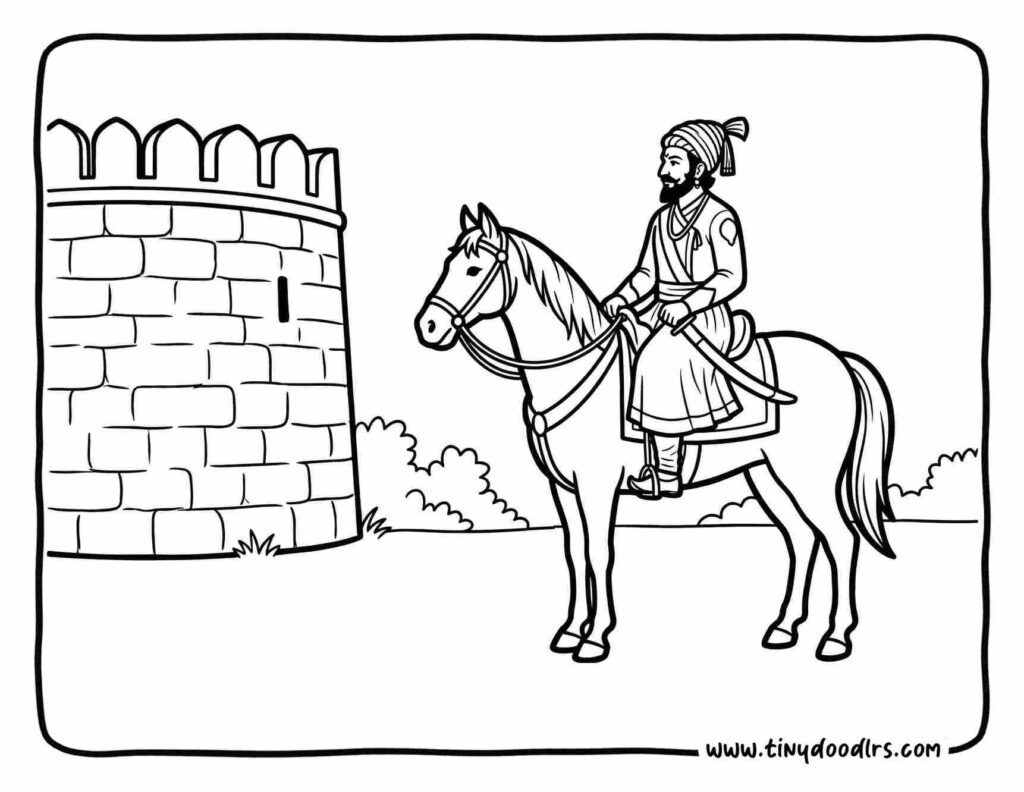
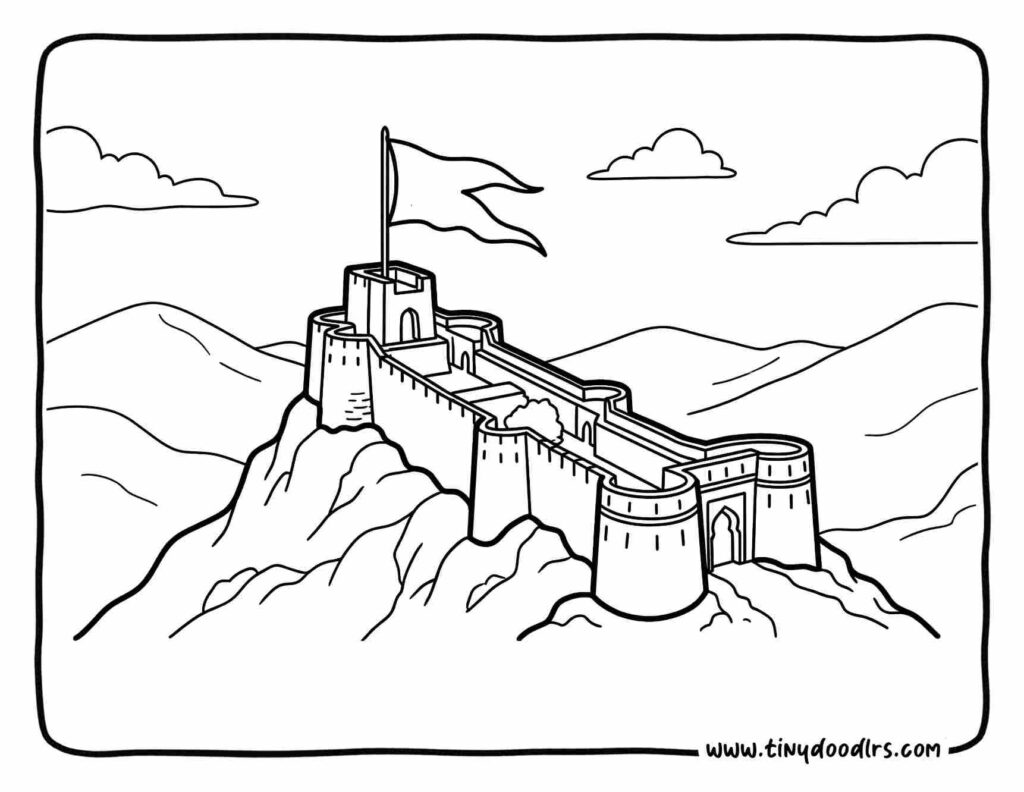
17. Chhatrapati Shivaji Maharaj Fort Drawing & Coloring Pages for Kids
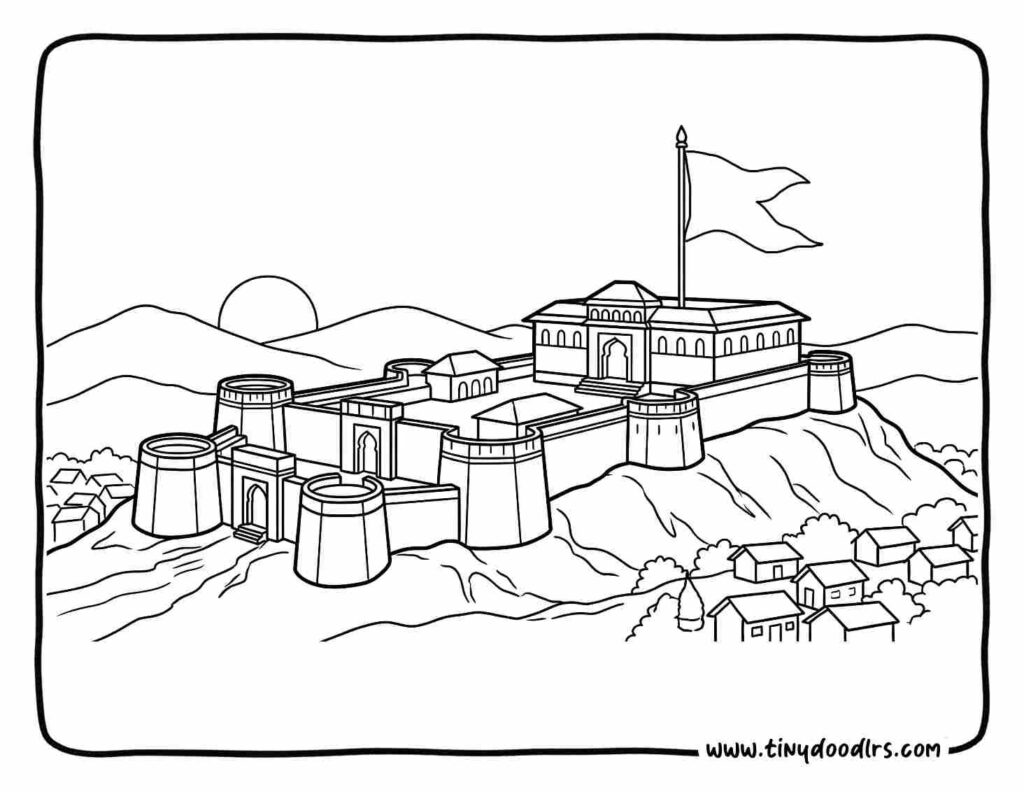
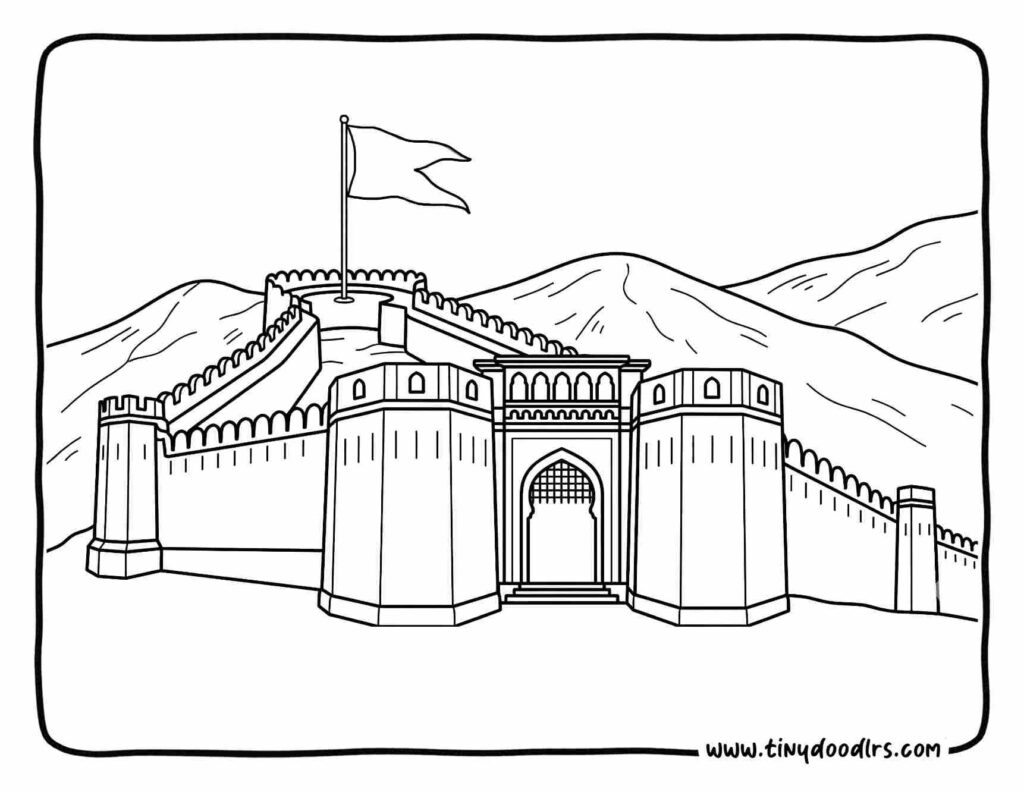
Introduce children to the mighty forts built and protected by Chhatrapati Shivaji Maharaj through these simple fort coloring pages. These pages help kids understand the importance of forts in Shivaji Maharaj’s life.
18. Easy Chhatrapati Shivaji Maharaj Drawing for Shiv Jayanti Celebration
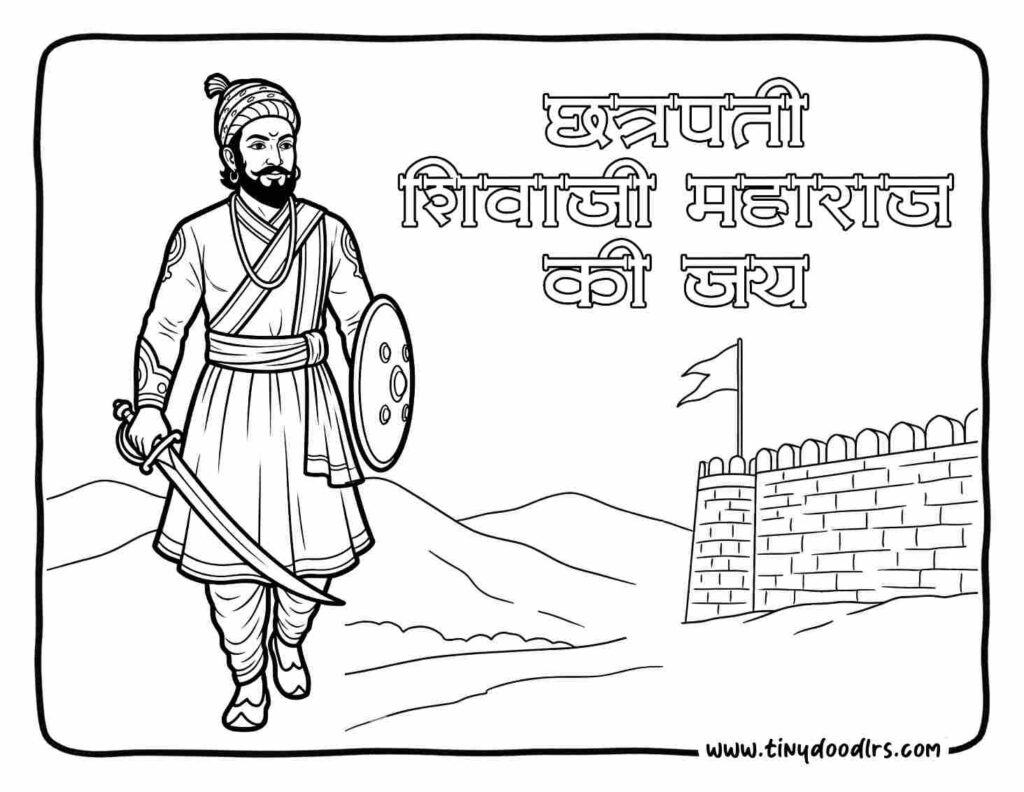
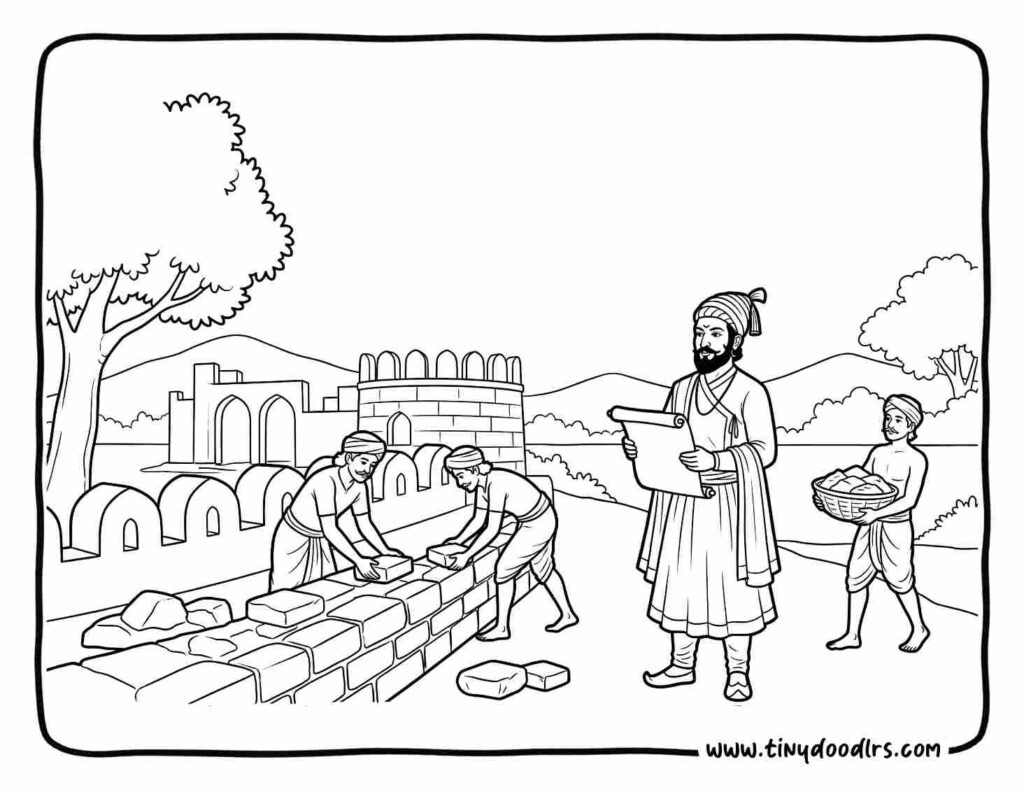
These Chhatrapati shivaji maharaj drawing easy and beautiful concepts are ideal for preschool and primary students.
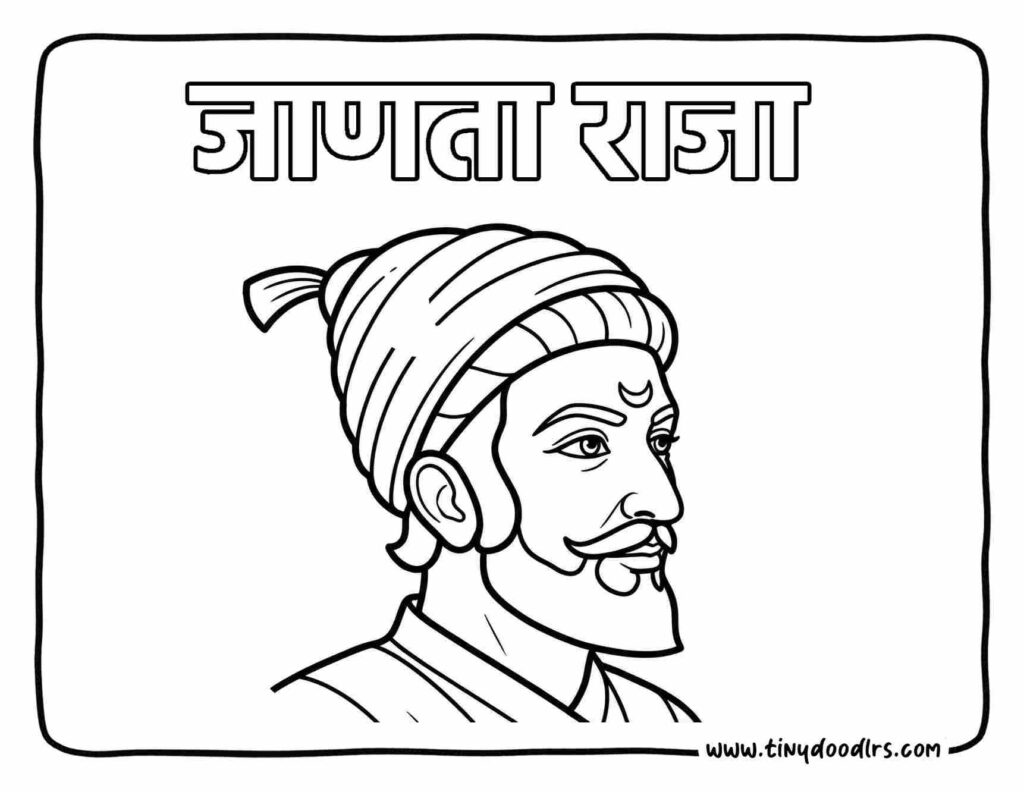
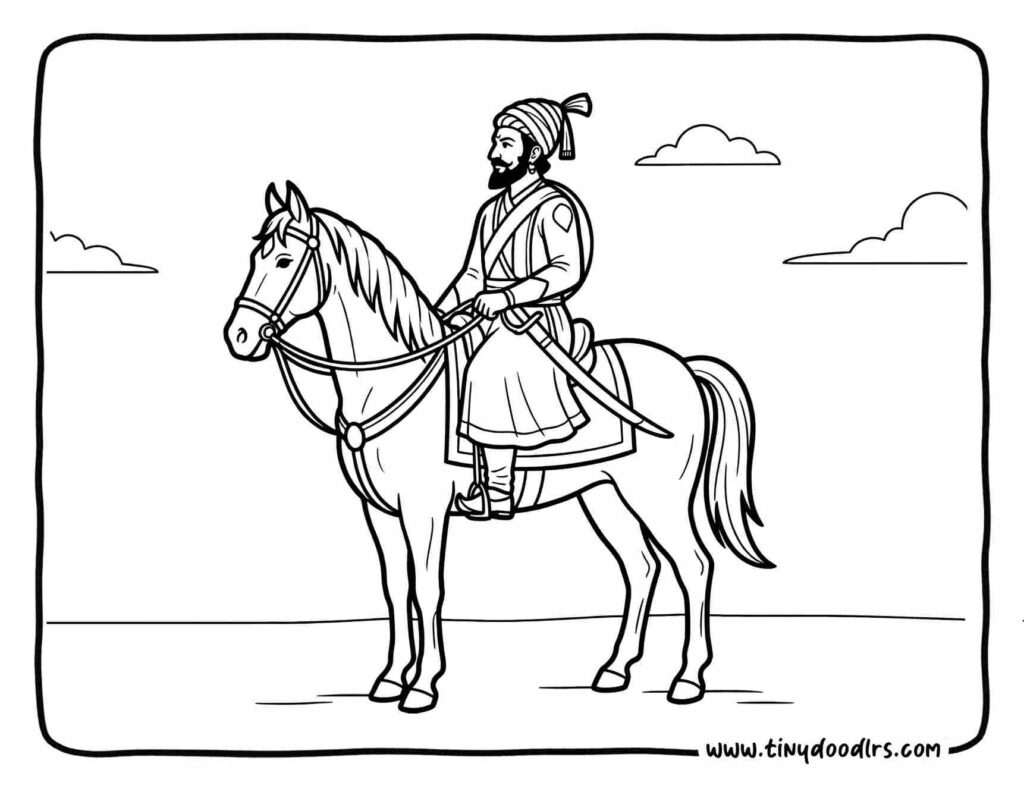
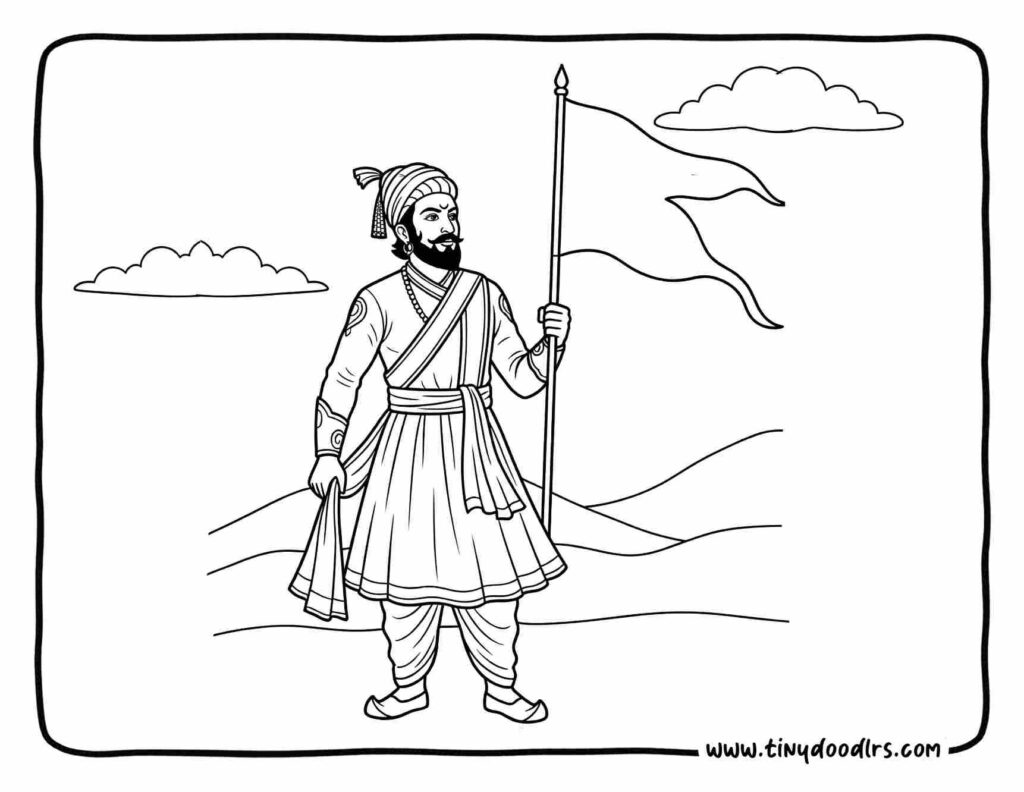
🔹Why These Coloring Pages Are Perfect for Shiv Jayanti Celebration
Shiv Jayanti is the perfect time to introduce children to the life and values of Chhatrapati Shivaji Maharaj — and coloring pages make that learning meaningful.
- Simple & Kid-Friendly Language
Each drawing tells a clear story without confusion, making it easy for children to understand who Shivaji Maharaj was and why he is respected. - Strong Values, Naturally Taught
Through scenes of bravery, respect for women, leadership, and Swarajya, kids absorb important values without long lectures. - Easy Storytelling Through Art
From childhood with Jijamata to coronation as Chhatrapati, every coloring page acts like a visual storybook for Shiv Jayanti. - Perfect for School & Home Celebrations
These shiv jayanti special drawings are ideal for school competitions, classroom activities.
✨ Loved these Shiv Jayanti drawing ideas?
- Subscribe to our newsletter for free printable coloring pages
- Follow us on Instagram tinydoodlrs_india for daily kids art inspiration
- Explore our Indian festival coloring pages collection
📸 If your child creates a Chhatrapati shivaji Maharaj drawing, tag us on Instagram—we’d love to feature their artwork and celebrate young talent!